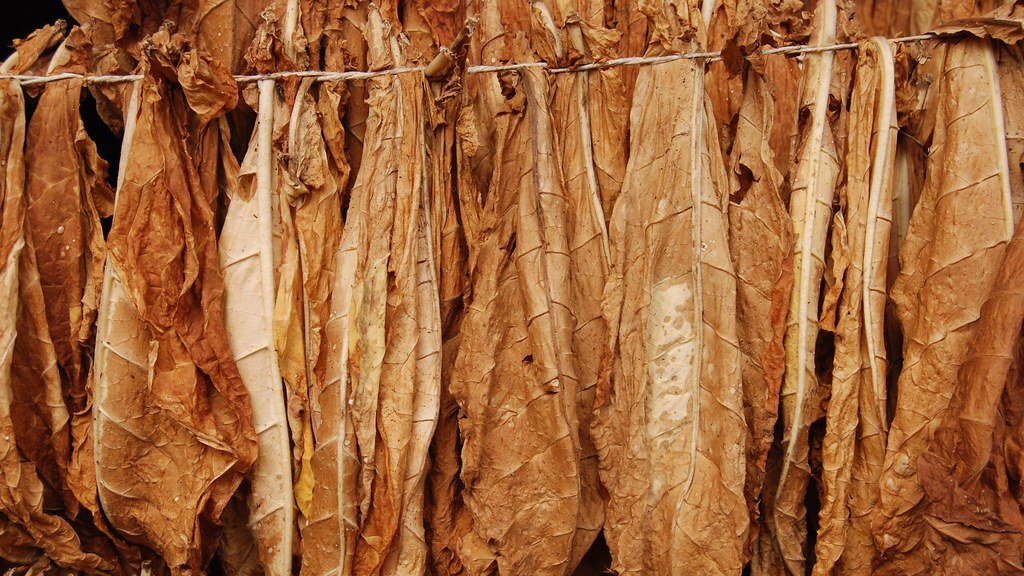
Curing is the controlled drying process that follows the harvest of tobacco leaves. Farmers and processors carefully manage temperature, humidity and airflow during this stage.
The goal is to convert green, living leaves into stable, usable tobacco. Therefore, curing develops the colour, aroma and flavour that cigarette manufacturers need.
Without proper curing, the leaves would rot or lose their desirable qualities. As a result, curing forms an essential step between the field and the factory.
Why Curing Matters for Cigarette Tobacco
Fresh tobacco leaves contain high moisture and active enzymes. Curing stops unwanted fermentation and locks in the right chemistry.
Different curing methods create different tobacco types. Virginia, Burley and Oriental leaves each require their own process.
Cured leaves become ready for threshing, blending and further processing. In addition, the method chosen strongly influences the final smoke character.
Main Methods Used to Cure Tobacco Leaves
Processors use four primary curing techniques. Each method produces distinct results in colour, sugar content and flavour.
- Flue-curing for Virginia (brightleaf) tobacco
- Air-curing for Burley tobacco
- Sun-curing for Oriental tobacco
- Fire-curing for certain dark tobaccos
Farmers select the method based on the tobacco variety and the desired end product.
Flue-Curing Process
Flue-curing uses heated air inside closed barns. The heat never touches the leaves directly.
Temperatures rise in controlled stages over five to seven days. This process locks in natural sugars and creates the bright golden-yellow colour.
Virginia tobacco relies on flue-curing. Consequently, it develops a mild, slightly sweet taste ideal for many cigarette blends.
Air-Curing Process
Air-curing hangs leaves in well-ventilated barns at natural temperatures. The process lasts four to eight weeks.
Sugars break down almost completely during this slow drying. The leaves turn light to dark brown and gain a robust, earthy character.
Burley tobacco depends on air-curing. Therefore, it becomes an excellent base for absorbing flavours and additives later.
Sun-Curing and Fire-Curing
Sun-curing dries small Oriental leaves outdoors under direct sunlight. The process takes about one to two weeks.
This method enhances aromatic oils and produces a spicy, fragrant profile. Fire-curing adds smoke from hardwood fires for a strong, distinctive taste.
Both techniques create specialised tobaccos. They appear less often in standard cigarette blends than flue- or air-cured leaf.
Key Changes During Curing
Several important transformations occur inside the leaf. First, chlorophyll breaks down and the green colour disappears.
Enzymes convert starches into sugars in flue-cured tobacco. In contrast, air-cured leaves lose almost all their sugar content.
Moisture drops from high levels to a stable range suitable for storage. In addition, proteins and other compounds change, shaping the final flavour and nicotine delivery.
Physical and Chemical Changes Table
| Change Type | Flue-Cured (Virginia) | Air-Cured (Burley) | Sun-Cured (Oriental) |
|---|---|---|---|
| Colour | Golden yellow to orange | Light to dark brown | Light brown to yellow |
| Sugar Content | High (8–30%) | Very low (<0.2%) | Medium to low |
| Moisture Reduction | Rapid, controlled | Slow, natural | Moderate, sun-driven |
| Flavour Result | Mild and slightly sweet | Robust and earthy | Aromatic and spicy |
| Typical Duration | 5–7 days | 4–8 weeks | 1–2 weeks |
Stages of the Curing Process
Curing follows clear sequential steps. Wilting softens the leaf and starts the colour change.
Yellowing continues as chlorophyll fades. Next, colour fixing sets the final shade under controlled conditions.
Final drying removes remaining moisture. After these stages, the leaves become stable enough for grading and packing.
Link to Later Processing Steps
Once cured, the leaves move to threshing and redrying plants. There they separate into lamina and stem for cigarette use.
Proper curing ensures consistent quality in the final blend. You can explore the next stages in our guide on processed tobacco.
Key Points Summary
- Curing dries and stabilises freshly harvested tobacco leaves
- Flue-curing, air-curing and sun-curing create different tobacco types
- Chemical changes control sugar, colour and flavour development
- Moisture reduction prepares the leaf for storage and processing
- The chosen method directly shapes the character of cigarette tobacco
Conclusion
Understanding how tobacco leaves are cured reveals a critical transformation step. Controlled drying and chemical changes turn green field leaves into the stable material used in cigarettes.