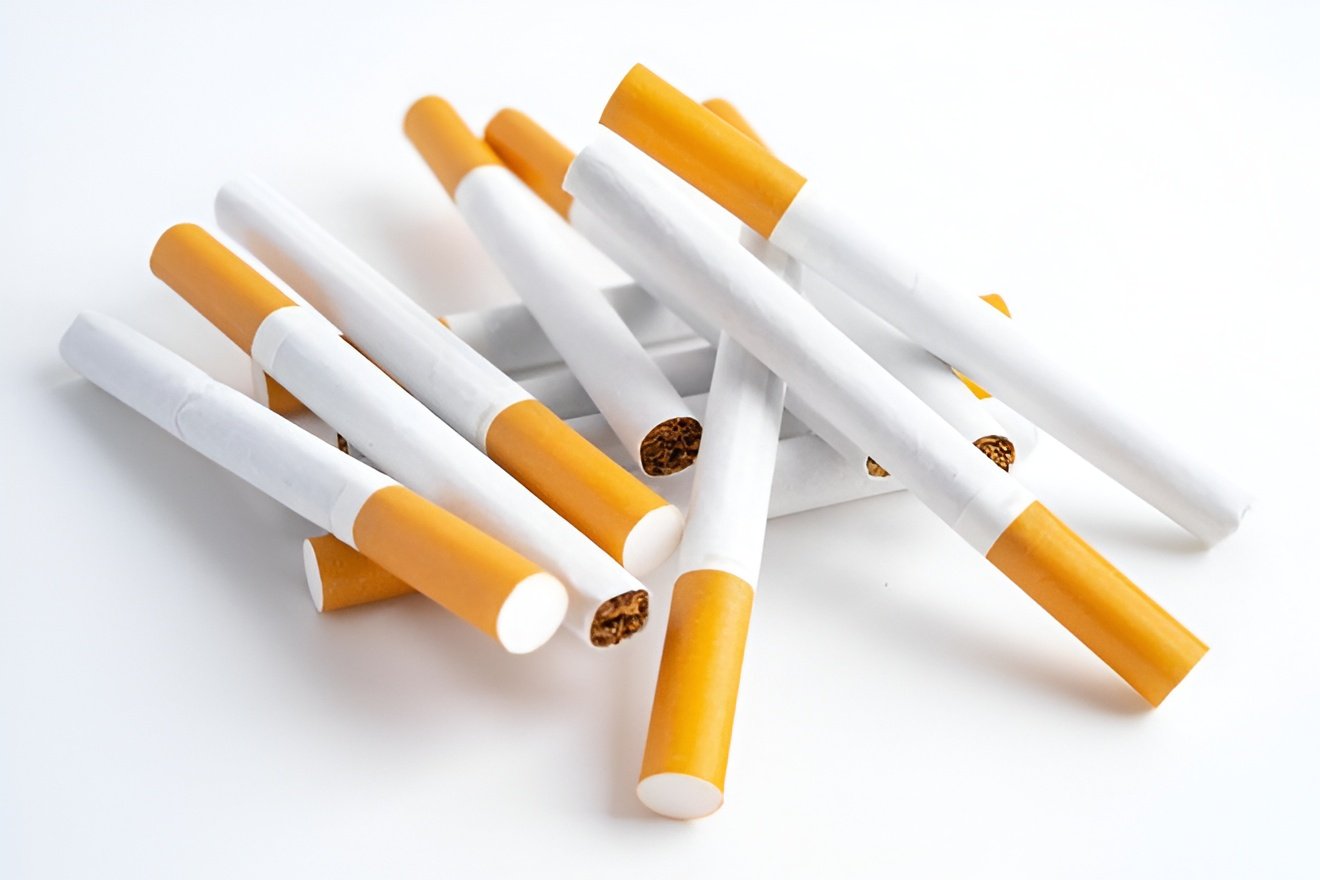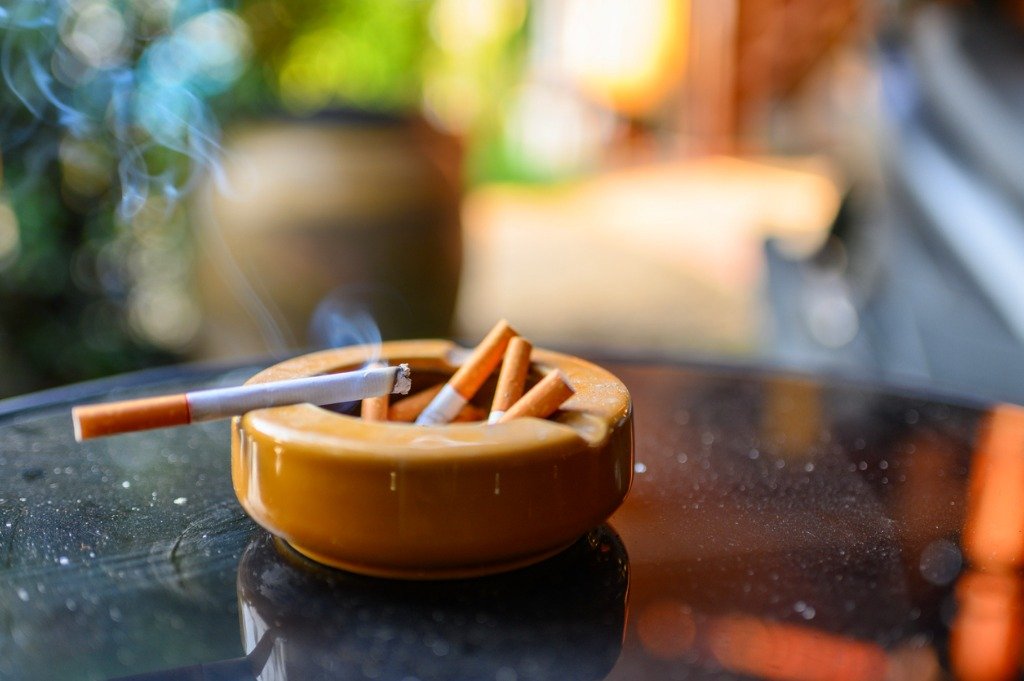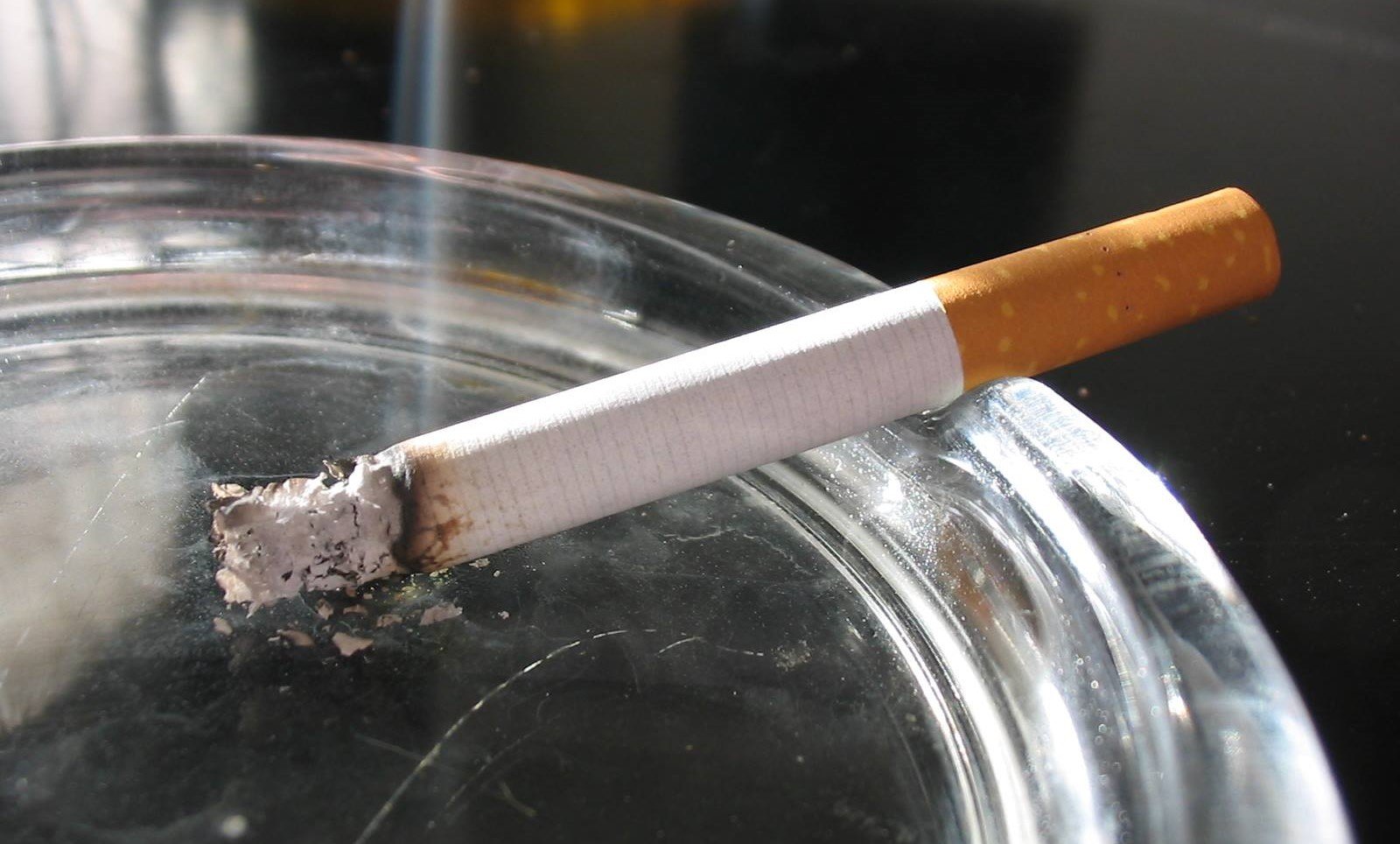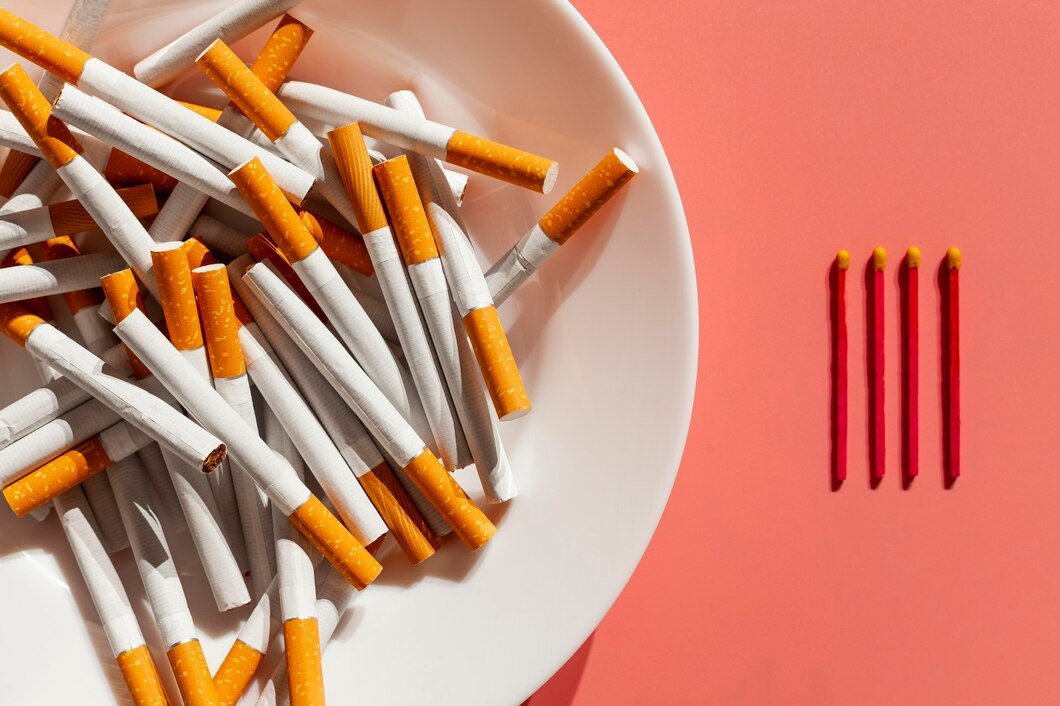
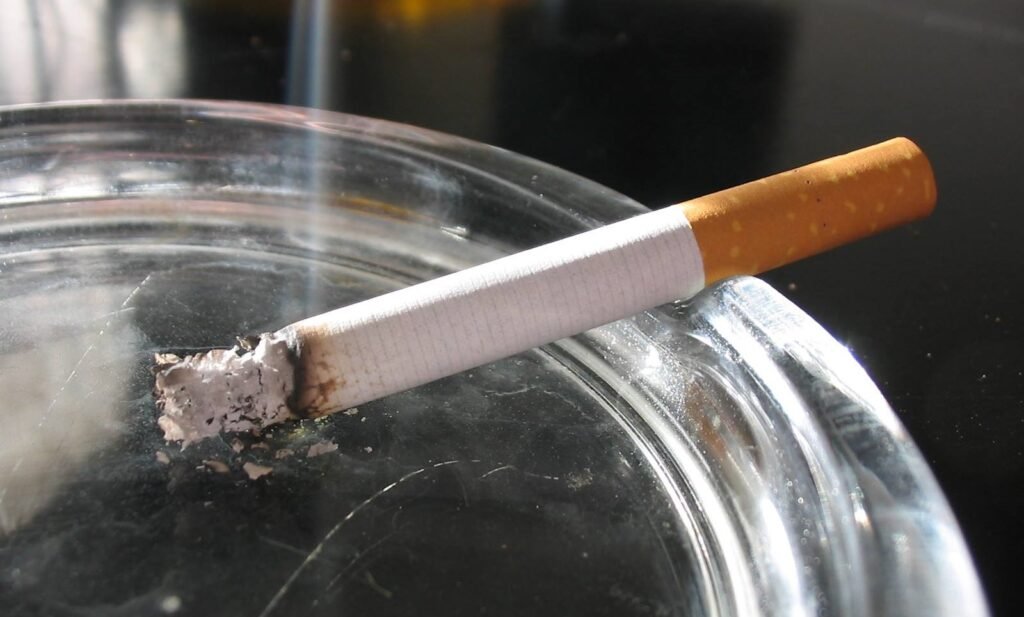
When tobacco burns, high temperatures trigger complex chemical reactions. The process converts plant material into smoke, gases and solid residues.
Combustion and pyrolysis create thousands of compounds that were not present in the original leaf. Therefore, burning tobacco produces a complex mixture of gases and particles.
These substances form the main health risks associated with smoking. As a result, understanding the chemistry helps explain the dangers of inhaling the smoke.
The Combustion Process
Lighting a cigarette starts incomplete combustion. Temperatures inside the burning tip reach several hundred degrees Celsius.
Pyrolysis breaks down complex molecules in the tobacco. Next, combustion oxidises some of the products and generates heat that sustains the burn.
The resulting smoke contains both mainstream smoke (inhaled) and sidestream smoke (from the lit end). Both streams carry the same major toxins.
Nicotine Release During Burning
Nicotine exists naturally in the tobacco leaf. Burning vaporises and transfers it into the smoke aerosol.
The body absorbs nicotine rapidly through the lungs. This delivery creates the addictive effect that drives continued use.
Nicotine itself is not the primary cause of cancer. However, its addictive power keeps users exposed to the other harmful chemicals.
Carbon Monoxide Formation
Carbon monoxide forms when carbon-containing material burns incompletely. Burning tobacco releases this colourless, odourless gas.
The gas binds strongly to haemoglobin in the blood. Consequently, it reduces the oxygen-carrying capacity of red blood cells.
Even moderate exposure stresses the cardiovascular system. Long-term inhalation contributes to heart disease and reduced physical capacity.
Tar: The Thick Sticky Dark Fluid
Tar is a thick sticky dark fluid produced when tobacco burns. It consists of hundreds of condensed chemicals and particles.
When inhaled, tar deposits in the lungs and airways. It damages cilia and contributes to chronic respiratory diseases.
Many of the cancer-causing substances travel within the tar particles. Filters trap some of this material but do not eliminate the risk.
Other Harmful Chemicals Created by Burning
Combustion generates a wide range of toxic compounds. Key examples include:
- Formaldehyde and acrolein – irritate airways and damage tissue
- Polycyclic aromatic hydrocarbons – many are known carcinogens
- Tobacco-specific nitrosamines – potent cancer-causing agents
- Benzene, 1,3-butadiene and heavy metals – additional toxic risks
Over 7,000 chemicals appear in tobacco smoke. At least 70 of them are known to cause cancer.
Comparison of Key Combustion Products
| Substance | How It Forms | Main Effect |
|---|---|---|
| Nicotine | Vaporised from the leaf | Addiction and rapid absorption |
| Carbon monoxide | Incomplete combustion | Reduced oxygen delivery to tissues |
| Tar | Condensed particles and fluids | Lung deposits and carcinogen carrier |
| Formaldehyde / Acrolein | Pyrolysis of plant material | Airway irritation and toxicity |
| Nitrosamines & PAHs | High-temperature reactions | Cancer risk |
Heat-Not-Burn Alternatives
Heat-not-burn tobacco products and heat-not-burn tobacco devices heat the tobacco without full combustion. They aim to reduce the formation of some harmful chemicals.
These systems still release nicotine and other substances. However, the lower temperatures limit the production of certain combustion by-products.
Traditional burning of tobacco leaves or burning tobacco continues to generate the full range of toxins. Heat-not-burn options represent a different approach but are not risk-free.
Key Points Summary
- Burning tobacco creates smoke through combustion and pyrolysis
- Nicotine is released and absorbed rapidly from the smoke
- Carbon monoxide reduces the blood’s ability to carry oxygen
- Tar is the thick sticky residue that deposits in the lungs
- Thousands of additional harmful chemicals form during the burn
Conclusion
What happens when tobacco burns is a complex chemical transformation. The process releases nicotine, produces carbon monoxide and generates tar along with thousands of other harmful substances.