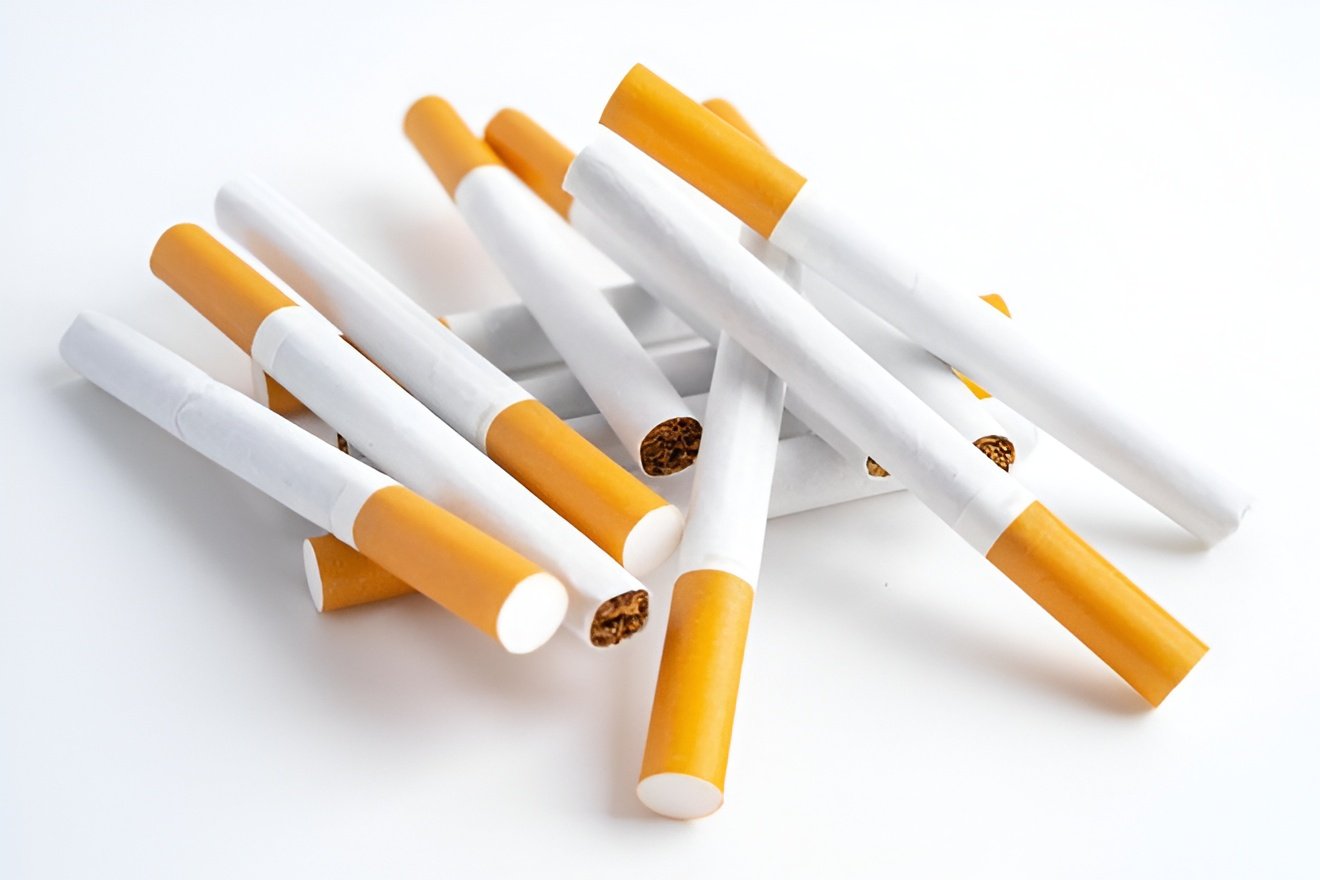

Flavouring agents are additives that enhance the taste and aroma of cigarette smoke. Manufacturers apply them during primary processing to create brand-specific profiles.
These ingredients help smooth harsh notes and add pleasant character. Therefore, they play a key role in modern blended cigarettes.
Factories carefully control the type and amount used. As a result, every cigarette from a brand delivers the same expected flavour.
How Flavouring Agents Work in Production
Processors add flavouring agents in two main stages. First comes the casing step, then the top dressing stage.
Casing mixes water-soluble ingredients with the tobacco early on. In contrast, top dressing uses more volatile aromatic compounds later.
Both steps improve the final smoke quality. Moreover, they help mask any unwanted natural tobacco notes.
Casing Stage and Flavouring Agents
During casing, operators spray a liquid mixture onto the tobacco. This mixture often contains sugars, cocoa, licorice and other extracts.
Sugars reduce harshness in the smoke. Meanwhile, cocoa and licorice add mild sweetness and depth.
The casing also includes humectants for moisture control. Together, these ingredients prepare the tobacco for cutting and blending.
Top Dressing Flavouring Agents
Top dressing happens after final drying. Technicians apply a fine spray of aromatic oils and extracts.
These volatile flavouring agents contribute strongly to pack aroma. In addition, they fine-tune the taste that reaches the smoker.
Common choices include vanillin, fruit extracts and essential oils. Factories use only small amounts for precise control.
Common Flavouring Agents Used
Cigarette makers select from a range of proven options. Here are frequent examples:
- Sugars and molasses for smoothness
- Cocoa and chocolate notes for mild body
- Licorice for sweet-woody character
- Menthol for cooling effect (in specific brands)
- Vanillin and fruit extracts for aromatic lift
Each additive supports a different part of the flavour profile. Therefore, blenders combine them carefully.
Comparison of Key Flavouring Agents
| Flavouring Agent | Main Contribution | Application Stage | Notes |
|---|---|---|---|
| Sugars / Molasses | Reduces harshness | Casing | Improves overall smoothness |
| Cocoa / Chocolate | Mild sweetness and body | Casing | Common in American blends |
| Licorice | Sweet-woody depth | Casing | Enhances tobacco character |
| Vanillin | Aromatic sweetness | Top dressing | Used in small amounts |
| Menthol | Cooling sensation | Top dressing | Restricted in some markets |
Benefits for Cigarette Quality
Flavouring agents create consistent taste across millions of cigarettes. First, they balance the natural differences between tobacco grades.
Second, they improve the smoking experience by reducing irritation. In addition, they help define the unique signature of each brand.
Manufacturers test every batch carefully. This process ensures the final product meets exact specifications.
Link to Other Processing Steps
Flavouring agents work closely with humectants and processed tobacco. They also influence how the cigarette interacts with paper and filter.
You can explore related topics in our guides on humectants and processed tobacco.
Key Points Summary
- Flavouring agents enhance taste and aroma in cigarettes
- Casing applies water-soluble ingredients early in processing
- Top dressing adds volatile aromas near the end
- Common options include sugars, cocoa, licorice and vanillin
- Precise use creates consistent brand flavour
Conclusion
Flavouring agents form an essential part of cigarette manufacturing. They transform basic tobacco blends into products with specific taste and aroma.