Processed tobacco starts as cured leaf and becomes uniform cut filler. Factories transform it through several precise industrial steps.
This material includes natural lamina, stems, reconstituted sheet and expanded tobacco. Consistency remains the core goal of processing.
Without proper processing, tobacco cannot form stable cigarette rods or deliver even taste and burn.
Main Stages of Processing
Primary processing turns raw cured leaf into machine-ready cut filler. Each stage carefully controls moisture, size and blend quality.
- Conditioning rehydrates dry leaves.
- Threshing separates lamina from stem.
- Cutting creates uniform shreds.
- Blending mixes different tobacco types.
- Casing adds flavor and humectants.
- Final drying sets correct moisture.
These steps ensure every cigarette of a brand tastes the same.
Conditioning Process
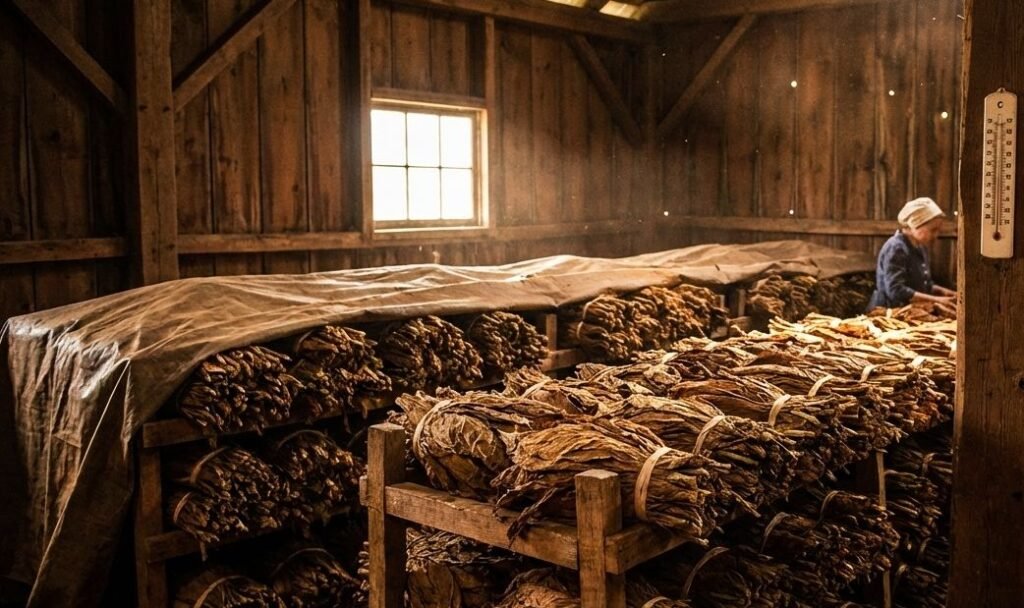
Cured tobacco arrives dry and brittle. Factories first rehydrate the leaves with steam or humidified air.
Workers aim for 13–16 percent moisture. Soft leaves reduce dust and improve later cutting performance.
Well-conditioned tobacco absorbs casings better and feeds machines smoothly.
Threshing Stage
Threshing separates the soft leaf blade (lamina) from the hard stem. Lamina holds most flavor, sugar and nicotine.
Stems stay denser and lower in nicotine. Factories therefore send most stems to reconstituted tobacco production.
After threshing, graders sort lamina by size and quality. They then redry and pack it for storage.
Cutting the Tobacco
Workers recondition the lamina and feed it into cutting machines. Standard cut width for cigarettes measures 0.8–1.2 mm.
Correct cut size controls draw resistance and packing density. Machines perform poorly with cuts that are too coarse or too fine.
Cut tobacco becomes known as rag or cut filler. It serves as the main material for cigarette makers.
Blending Different Tobaccos
Blenders mix Virginia, Burley, Oriental and other grades according to a fixed recipe. Each brand keeps its own formula for consistent taste.
They also add reconstituted and expanded tobacco. These materials improve cost control and filling power.
Large mixers create a homogeneous blend. Uniform mix remains essential for every cigarette pack.
Casing and Flavoring
Technicians spray liquid casings onto the tobacco. These mixtures contain sugars, glycerin and selected flavor notes.
Common flavors include cocoa, licorice or menthol. Humectants keep moisture stable during storage.
Casing improves taste and prevents the tobacco from drying out too fast.
Final Conditioning Step
After flavoring, operators gently dry the tobacco to 12–14 percent moisture. This level works best for cigarette making.
Dry tobacco burns harshly. Wet tobacco forms weak rods and risks mold growth.
Finished cut filler rests in conditioning silos until the making machines need it.
Key Types of Processed Tobacco
| Type | Description | Main Use |
|---|---|---|
| Cut Lamina | Natural leaf blade shredded into fine strands | Primary cigarette filler |
| Reconstituted Tobacco | Sheet made from stems, dust and scraps | Cost reduction and consistency |
| Expanded Tobacco | Natural leaf with increased volume | Higher filling power, less weight |
| Cut Stem | Treated and cut midrib | Limited filler addition |
| Final Cut Filler | Complete blended mix ready for machines | Direct input to cigarette makers |
How Factories Make Reconstituted Tobacco
Reconstituted tobacco (also called recon or sheet) uses factory waste. Workers collect stems, dust and leaf scraps for recycling.
They grind the material, mix it with water and binders, then form thin sheets. Next they dry the sheets and cut them into shreds.
Technicians can control nicotine and sugar levels during production. This precision supports exact blend design.
Recon reduces waste and lowers production cost. Most modern cigarettes therefore contain some percentage of it.
Expanded Tobacco Explained
Expanded tobacco increases the volume of natural leaf. A special process puffs the tobacco without changing its basic chemistry.
It gives more filling power. Manufacturers therefore use less tobacco weight per cigarette while keeping firm rods.
Blenders usually combine expanded tobacco with lamina and recon. The combination balances cost, volume and taste.
From Processed Tobacco to Finished Cigarettes
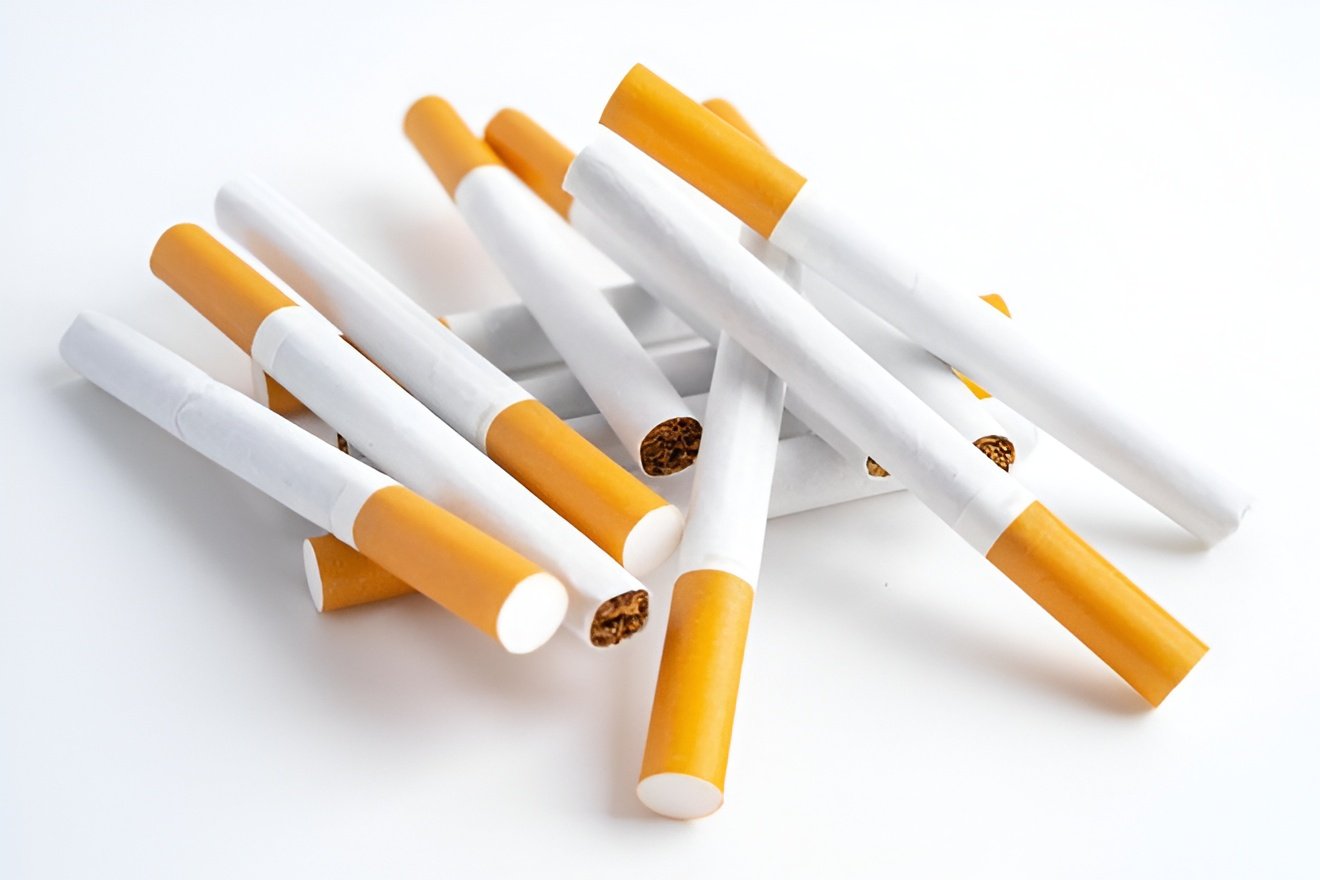
Finished cut filler moves to high-speed making machines. These machines form a continuous tobacco rod and wrap it in paper.
Operators attach filters and cut the cigarettes to length. One machine can produce up to 20,000 cigarettes per minute.
Factories return waste tobacco from rejected cigarettes to the process. They also collect dust for reconstituted sheet.
Why Processing Quality Matters
Good processing delivers consistent taste and nicotine. It also ensures smooth machine performance and lower waste.
Poor moisture or cut size causes rod defects. Uneven blending creates flavor variation between packs.
Modern factories monitor every stage closely. Tight control remains the only way to meet brand standards.
Summary of Processed Tobacco Benefits
- Uniform particle size for reliable machine feeding
- Controlled moisture for stable burn
- Consistent blend for brand identity
- Efficient use of stems and scrap via recon
- Higher filling power with expanded tobacco
- Lower overall production cost
- Reduced factory waste
Final Overview
Processed tobacco links farm-cured leaf to finished cigarettes. Every modern cigarette depends on precise primary processing.