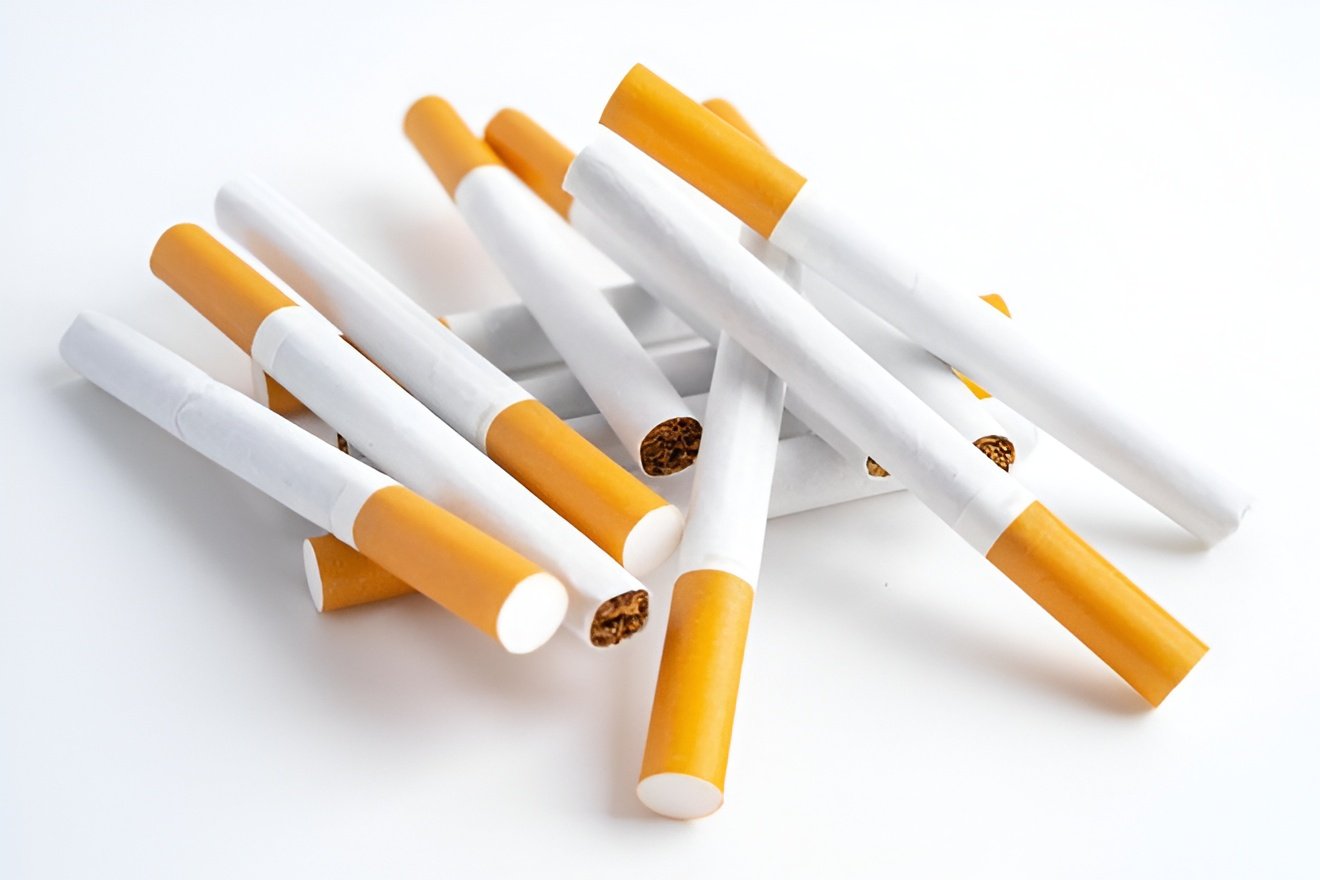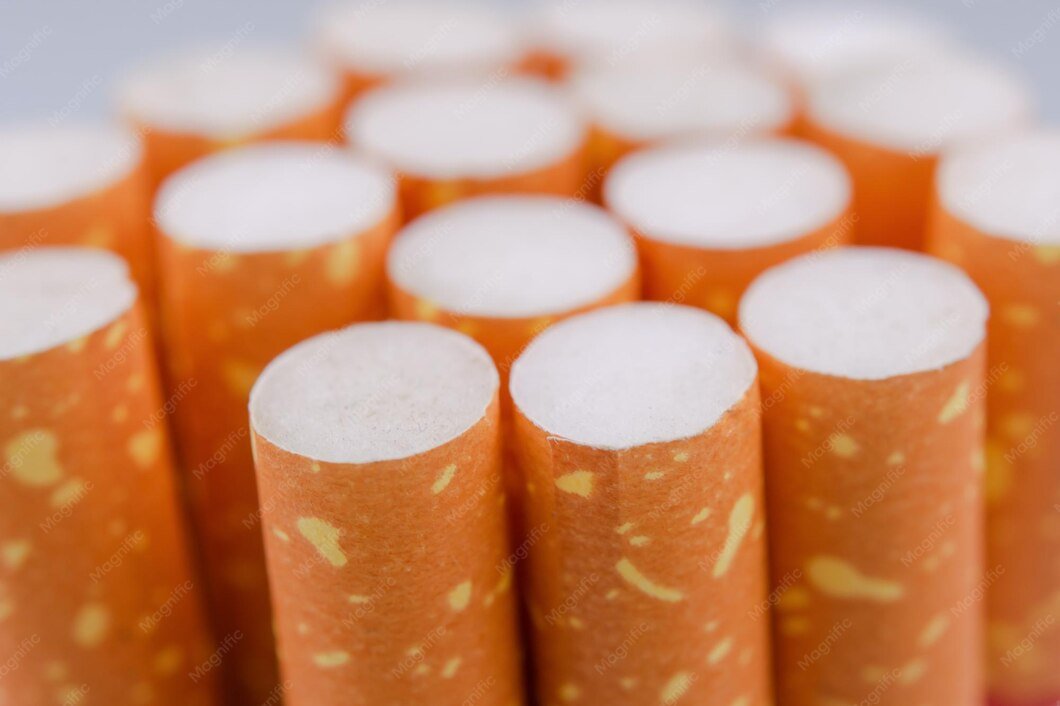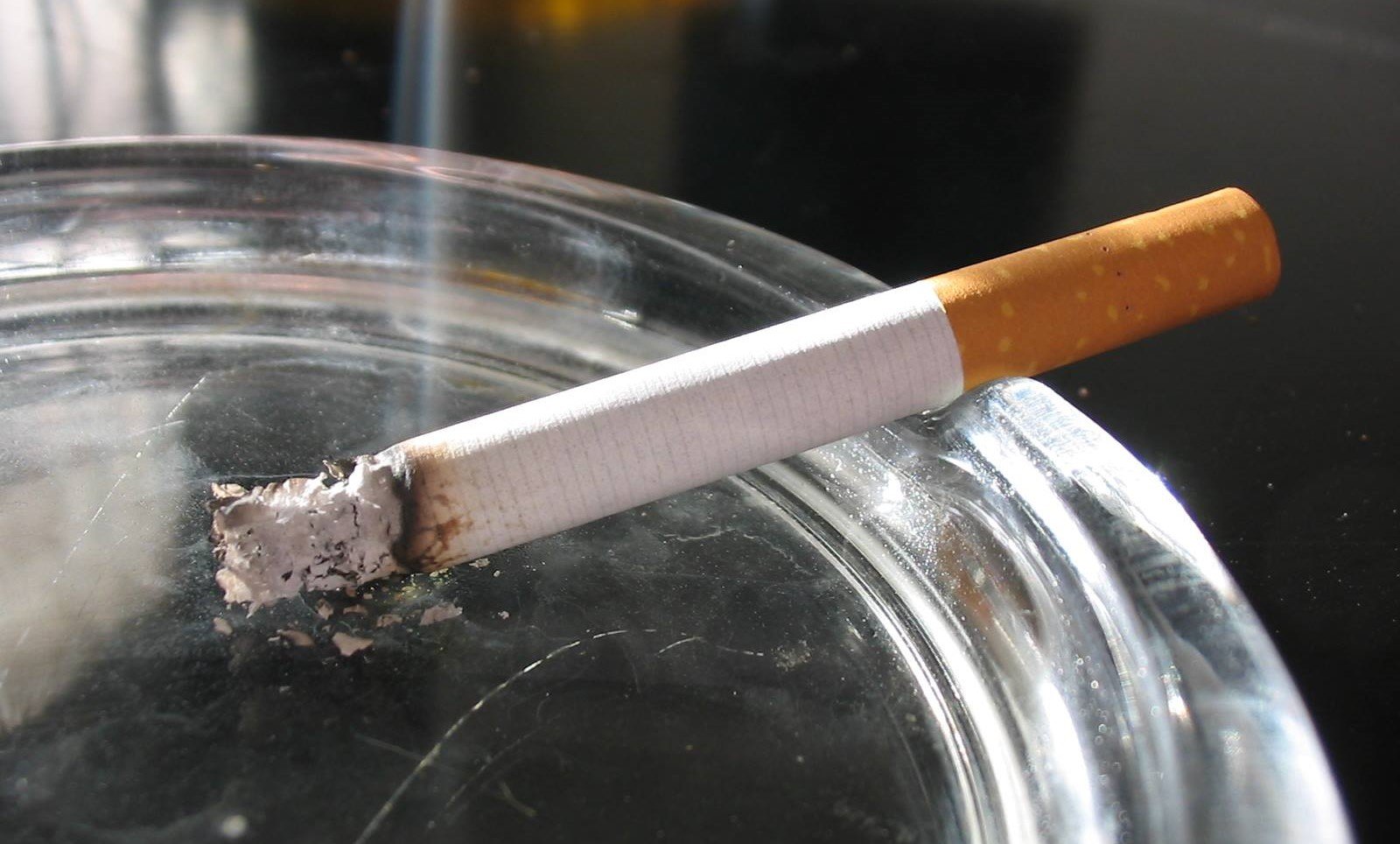

Cigarette paper is a thin, specialised sheet designed for wrapping tobacco. Manufacturers create it mainly from plant cellulose fibers mixed with mineral fillers.
The most common fibers come from flax, hemp, wood pulp or rice. Therefore, the final sheet stays light, porous and able to burn evenly.
Calcium carbonate and burn-rate additives complete the formula. As a result, the paper supports consistent smoking performance in both factory-made and hand-rolled products.
Raw Materials for Cigarette Paper
Producers start with carefully selected plant sources. Flax and hemp supply strong, long cellulose fibers that give the paper strength and good permeability.
Wood pulp, both softwood and hardwood, appears in many commercial grades. In addition, some rolling papers use rice straw or other non-wood fibers.
Mineral fillers such as calcium carbonate make up 25–40 percent of the sheet. These fillers control porosity, ash colour and burn speed.
The Role of Cellulose Fibers
Cellulose fibers form the structural network of cigarette paper. Long fibers provide tensile strength while shorter ones help adjust porosity.
During pulping, processors separate the pure cellulose from lignin and other plant components. This step creates a clean, white fiber suitable for thin paper.
The fiber length and refining level directly affect how the paper burns and how easily it rolls. Consequently, mills control these parameters tightly.
Pulping and Fiber Preparation
Factories begin by preparing the raw fibers. They clean, soften and refine the pulp to the correct consistency.
Water mixes with the fibers to form a dilute suspension that is mostly liquid. Next, fillers and chemical additives join the mixture.
Refining machines cut and fibrillate the fibers so they bond well during sheet formation. This process creates the base for high-quality cigarette paper.
Sheet Formation on the Paper Machine
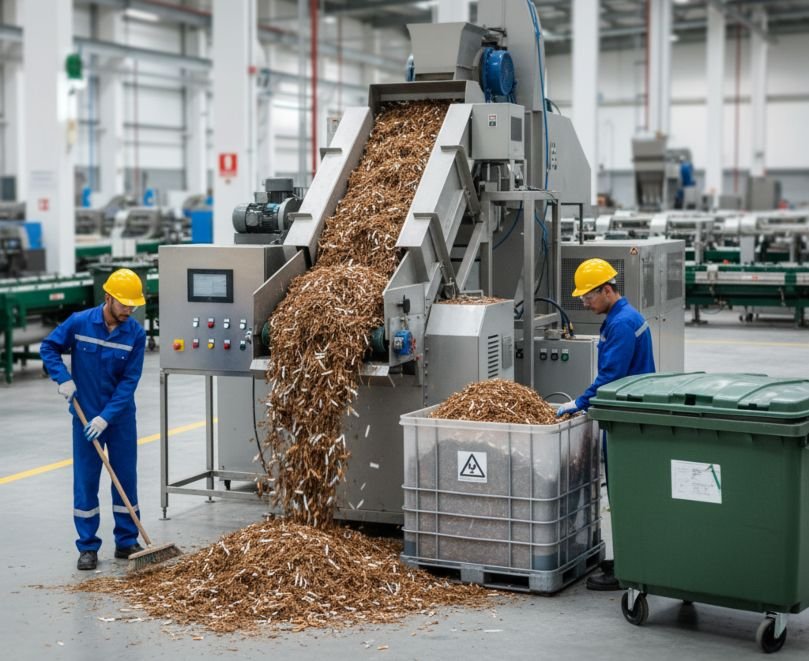
The diluted pulp flows onto a moving wire mesh. Excess water drains away and the fibers interlock into a thin web.
Pressing removes more moisture and compresses the sheet. Then heated drying cylinders bring the moisture to the final target level.
Calendering smooths the surface and sets the exact thickness. The finished web winds into large rolls ready for converting.
Key Additives and Their Functions
Special chemicals fine-tune performance. Calcium carbonate improves opacity and creates a clean white ash.
Citrate salts act as combustion regulators. Higher levels make the paper burn faster, while lower levels slow the burn.
A thin strip of gum or adhesive runs along one edge of rolling papers. This feature allows users to seal the cigarette easily.
Manufacturing Stages Overview
| Stage | Main Action | Key Outcome |
|---|---|---|
| Fiber preparation | Cleaning and pulping of plant material | Pure cellulose fibers |
| Stock preparation | Mixing fibers, fillers and additives | Uniform pulp suspension |
| Sheet forming | Drainage on wire mesh | Thin continuous web |
| Pressing and drying | Water removal and heat treatment | Stable moisture and strength |
| Finishing | Calendering, sizing and reeling | Final cigarette paper rolls |
Differences Between Factory and Rolling Paper
Factory paper meets strict machine requirements for high-speed makers. It must run cleanly and form a strong side seam.
Cigarette rolling paper, also called roll paper for cigarettes, focuses on hand use. Brands offer many sizes, including larger formats such as bambu big cigarette paper 50-count packs.
Some papers feature flavours such as licorice. Others aim for a natural look or special appearance that resembles a finished cigarette.
Practical Notes for Users
People often search for where to buy cigarette paper or cigarette rolling paper. Specialty shops and online retailers stock a wide range of options.
A cigarette paper holder keeps sheets neat and ready. Users also look for papers that avoid stretch marks or scars during rolling.
Learning how to make a cigarette with paper or how to make a paper cigarette requires practice with the right thickness and gum strip. Cigarette paper filters can be added for a smoother experience.
Link to Cigarette Construction
Cigarette paper works together with processed tobacco, adhesives and filters. The paper’s porosity influences smoke dilution and overall taste.
Explore related manufacturing steps in our guides on processed tobacco and adhesives.
Key Points Summary
- Cigarette paper is made mainly from cellulose fibers and mineral fillers
- Flax, hemp and wood pulp supply the primary fibers
- Calcium carbonate and citrate salts control burn and ash
- The paper machine forms, presses and dries the thin sheet
- Rolling papers and factory papers share the same basic science
Conclusion
Understanding how cigarette paper is made reveals careful control of raw materials and cellulose fibers. The manufacturing science produces a thin, porous sheet that burns evenly and supports both machine-made and hand-rolled cigarettes.