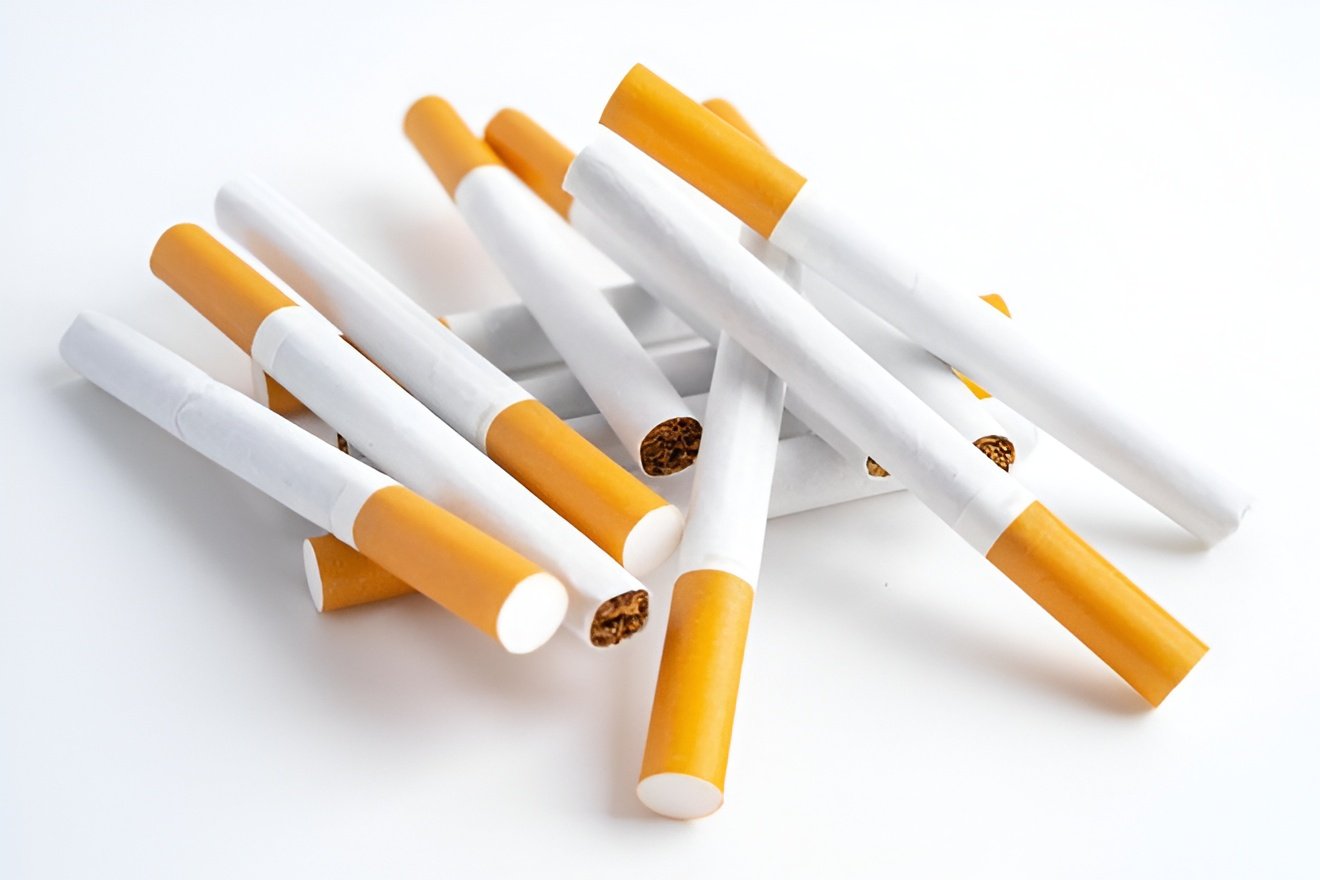
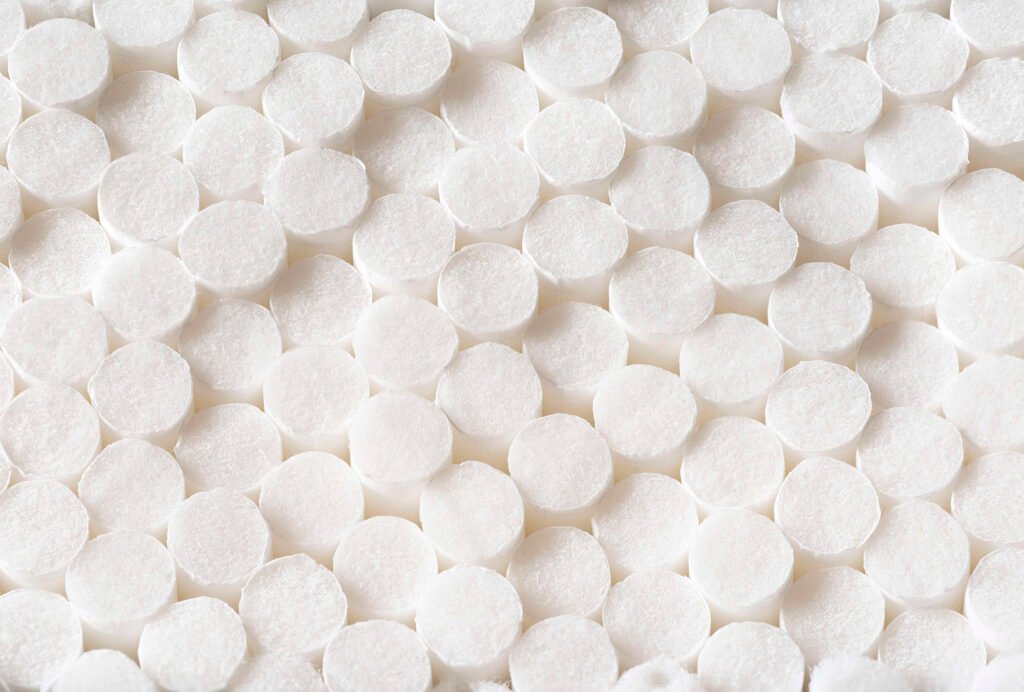
Filter material removes particles from air or liquid streams. Manufacturers select it based on efficiency, durability and operating conditions.
However, not every option suits every system. Therefore, understanding the main categories helps you choose correctly.
Common Types of Filter Material
Several categories dominate the market today. In addition, each type offers specific advantages for different applications.
- Synthetic fiber media for general air systems
- Open-cell foam for reusable applications
- Metal mesh for heavy-duty pre-filtration
- Paper-based media for precise laboratory work
- Woven cloth for solid-liquid separation
Next, we examine the most popular options in detail.
Air and HVAC Filter Material Options
Air systems rely on reliable media to protect equipment and improve indoor quality. For example, HVAC units commonly use pleated synthetic layers.
Furnace applications often prefer medium-efficiency media that balances airflow and capture. Moreover, bulk rolls allow technicians to cut exact sizes on site.
Alt text: Air filter material installed in a residential HVAC unit
Consequently, regular replacement keeps energy costs low and airflow strong.
Foam and Reusable Media
Open-cell foam provides excellent washability. Therefore, many engine and pond systems prefer this option.
Users simply rinse the media with water and mild soap. In addition, the open structure maintains good flow rates even when partially loaded.
Alt text: Close-up of foam air filter material showing open-cell structure
As a result, long-term costs stay lower than disposable alternatives.
Metal Mesh and Industrial Choices
Stainless steel mesh handles high temperatures and corrosive environments well. For instance, chemical plants and food processors rely on it daily.
This durable media withstands repeated cleaning cycles. Furthermore, it serves effectively as a pre-filter before finer stages.
Alt text: Stainless steel mesh filter material for industrial filtration
Thus, operators achieve both strength and easy maintenance.
Water and Liquid Filtration Media
Water systems need media that remove sediment and chemical impurities. Activated carbon and ceramic options perform this task effectively.
In addition, woven cloth supports filter presses in mining and wastewater treatment. These fabrics resist abrasion under high pressure.
Paper and Specialty Media
Laboratory work often requires precise paper grades. These capture particles of specific sizes while allowing controlled flow.
Optical applications demand different properties focused on light transmission. Proper cleaning methods protect the surface and maintain accuracy.
Comparison Table of Popular Options
| Media Type | Primary Use | Key Benefit | Typical Lifespan |
|---|---|---|---|
| Synthetic fiber | HVAC and furnaces | Balanced efficiency | 1–3 months |
| Open-cell foam | Engines and ponds | Fully washable | Multiple years |
| Metal mesh | Industrial pre-filtration | High durability | Several years |
| Paper grades | Laboratory analysis | Precise particle control | Single use |
| Woven cloth | Filter presses | Pressure resistance | Months to years |
How to Select the Right Option
First, identify the fluid type and particle size range. Then match the media efficiency to your system requirements.
Consider temperature, pressure and chemical exposure next. Finally, check availability of bulk rolls for cost-effective maintenance.
Internal resources such as our processed tobacco guide and cigarette paper overview provide related manufacturing insights.
Maintenance and Best Practices
Washable media benefit from regular rinsing. Disposable options, however, need timely replacement to avoid pressure drop.
Always follow manufacturer guidelines for cleaning specialized items. In addition, proper storage prevents contamination before installation.
For further technical details, visit the ASHRAE filtration standards page.
Key Advantages Summary
- Cleaner air and water for better health and equipment protection
- Extended system life through effective particle capture
- Flexible supply options including bulk rolls
- Cost savings from reusable choices such as foam and mesh
- Wide suitability across residential, commercial and industrial settings
Conclusion
Choosing appropriate filter material improves performance and reduces long-term costs. Therefore, match the media carefully to your specific application.