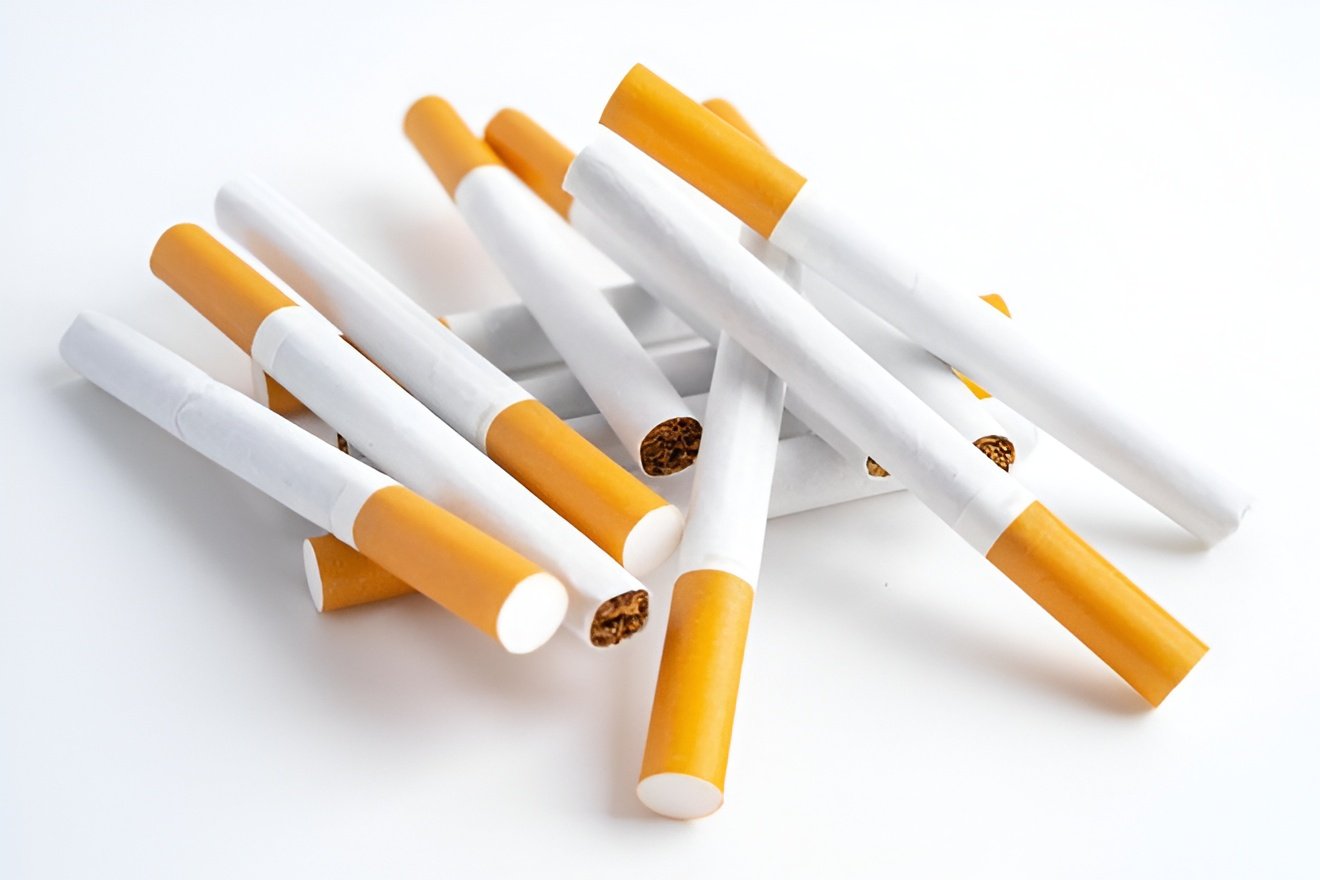

A cigarette filter is the white tip attached to most modern cigarettes. Manufacturers design it to trap some particulate matter from the smoke.
The main material is cellulose acetate. Therefore, almost every filter cigarette relies on this plastic-like fiber for its structure.
Other components include plasticizers, paper wrap and sometimes charcoal. As a result, the finished cigarette filter tips vary slightly by brand and design.
Cellulose Acetate: The Primary Material
Cellulose acetate forms the bulk of standard cigarette filters. Producers create it from natural cellulose that undergoes chemical treatment.
The material arrives as continuous tow, a bundle of fine filaments. Machines bloom the tow, add plasticizer and form it into a firm rod.
Triacetin is the usual plasticizer. It bonds the fibers together so the filter holds its shape during smoking.
How Filters Are Built
Filter makers open the acetate tow with air jets. They then spray plasticizer and wrap the material in porous paper.
The long rod is cut into individual cigarette filter tips. These tips later join the tobacco rod with tipping paper and adhesive.
Some designs include cavities or multiple segments. In addition, certain brands add activated charcoal for extra filtration claims.
Charcoal in Cigarette Filters
Charcoal filters in cigarettes contains activated carbon granules. These granules sit inside or alongside the acetate section.
Manufacturers claim the charcoal adsorbs some vapour-phase compounds. However, the overall health benefit remains limited according to research.
Brands that use charcoal include specific “mild” or dual-filter styles. Users sometimes search for charcoal filter in cigarettes or cigarettes charcoal filter when comparing options.

Other Filter Types and Variations
Most commercial products are filter cigarettes. A smaller share of smokers still prefer no filters cigarettes for a stronger taste.
Cigarette tubes with filters and cigarette filter tubes allow hand-rolling with a ready-made tip. Cigarette filter holders offer a reusable alternative for some users.
Parliament cigarette filter designs feature a recessed tip. Historical experiments once tested asbestos cigarette filter materials, but modern production never uses asbestos.
Environmental Waste from Cigarette Filter
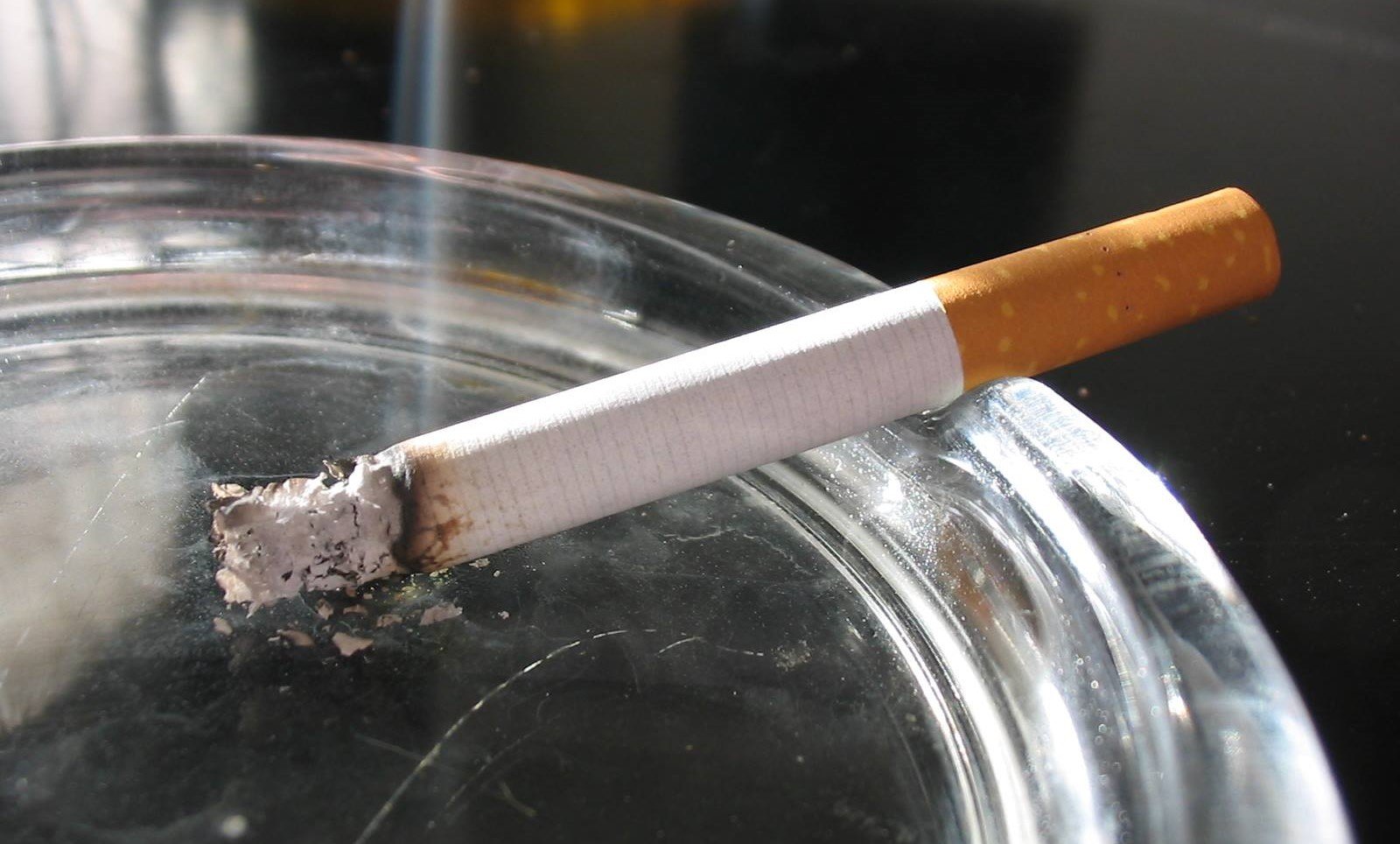
Discarded cigarette filters create a major litter problem. Billions of butts enter the environment every year.
Cellulose acetate degrades very slowly. It breaks into microplastics that persist in soil and water for long periods.
Used filters also leach nicotine and other chemicals. Therefore, they harm wildlife and contaminate waterways.
Comparison of Filter Materials
| Material / Feature | Main Use | Key Characteristic | Environmental Note |
|---|---|---|---|
| Cellulose acetate tow | Standard cigarette filter | Fine plastic fibers, plasticized | Slow to degrade, microplastics |
| Activated charcoal | Dual or cavity filters | Adsorption of some compounds | Still leaves acetate waste |
| Paper-based alternatives | Emerging eco options | Faster breakdown claimed | Limited commercial use so far |
| No filter | Traditional or specialty | Direct tobacco smoke | No filter litter |
Key Points Summary
- Most cigarette filters are made of cellulose acetate tow
- Plasticizer holds the fibers in a stable rod shape
- Some filters add charcoal for extra adsorption claims
- Cigarette filter tips join the tobacco rod with tipping paper
- Discarded filters form persistent environmental waste
Conclusion
Cigarette filters are primarily cellulose acetate combined with plasticizer and paper. Charcoal versions and special designs such as recessed tips appear in certain brands.