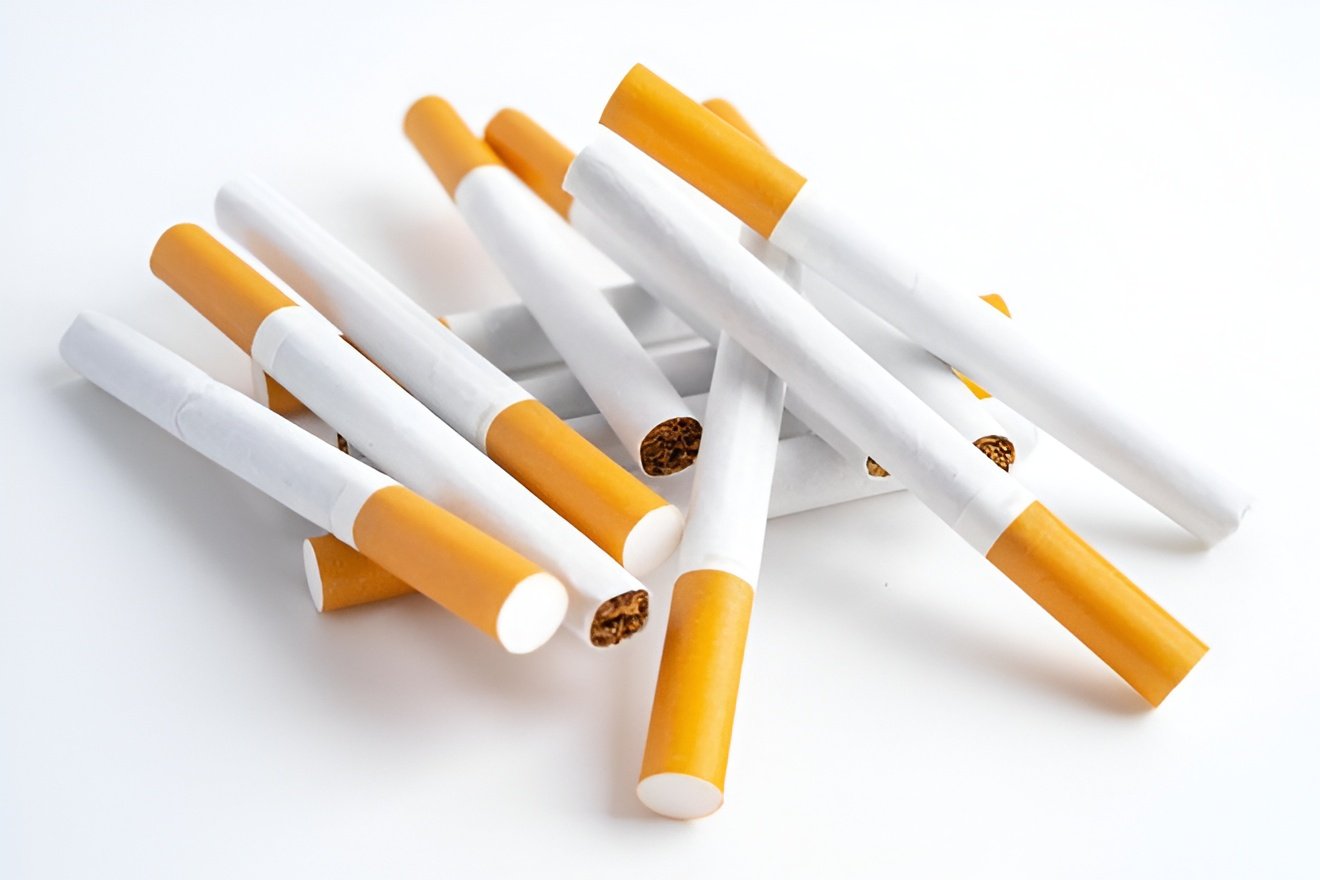

Adhesives bond the different parts of a cigarette together. Manufacturers rely on them for strong, clean and fast assembly on high-speed machines.
These special glues must dry quickly and remain safe for consumer contact. Therefore, factories choose formulations that meet strict quality and regulatory standards.
Without reliable adhesives, the cigarette rod and filter would not stay intact. As a result, product quality and machine efficiency would suffer.
Main Types of Adhesives Used
Cigarette makers use several distinct adhesives. Each one serves a specific purpose in the construction process.
- Side seam adhesive for the cigarette paper
- Tipping adhesive to attach the filter
- Filter rod adhesives for internal bonding
- Packaging adhesives for cartons and packs
These products work at speeds of several thousand cigarettes per minute. Moreover, they must form invisible or clean bonds.
Side Seam Adhesives
Side seam adhesive joins the edges of the cigarette paper. It creates the long tube that holds the tobacco.
This adhesive needs fast drying and high strength. In addition, it must not cause paper wrinkling or staining.
Water-based or emulsion polymers are common choices. They support clean running on modern makers.
Tipping Adhesives
Tipping adhesive attaches the filter to the tobacco rod. It bonds the tipping paper that wraps around the joint.
This adhesive must dry clear and remain odorless. Therefore, formulators design it for direct consumer proximity.
High initial tack prevents slippage on fast machines. As a result, rejects stay low and production stays efficient.
Filter Rod Adhesives
Filter makers use adhesives in two main ways. One bonds the cellulose acetate tow to the forming paper.
Another seals the side seam of the filter rod itself. Both applications demand strong yet flexible bonds.
Hot-melt and water-based options appear frequently here. They adapt well to different filter designs and speeds.
Key Requirements for Cigarette Adhesives
Every adhesive must meet strict performance needs. First, it has to run cleanly without stringing or splashing.
Second, it must form a durable bond under heat and moisture. In addition, food-contact compliance is essential for safety.
Factories test adhesives for viscosity, drying speed and final strength. This careful selection keeps high-speed lines running smoothly.
Comparison of Main Cigarette Adhesives
| Adhesive Type | Primary Use | Typical Base | Key Property |
|---|---|---|---|
| Side seam | Cigarette paper tube | Water-based emulsion | Fast dry, invisible bond |
| Tipping | Filter to tobacco rod | Water-based | Clear, odorless, high tack |
| Filter rod | Tow to paper and side seam | Hot-melt or emulsion | Strong and flexible |
| Packaging | Cartons and outer packs | Hot-melt or water | High speed and durability |
Benefits in Manufacturing
Quality adhesives reduce machine downtime. They also lower the number of defective cigarettes.
Strong bonds protect the product during packing and transport. Moreover, clean application improves the final appearance.
Manufacturers work closely with adhesive suppliers. This partnership ensures formulas match specific machine and paper types.
Link to Other Cigarette Components
Adhesives work with cigarette paper, filters and processed tobacco. They complete the physical structure of the finished product.
Explore related topics in our guides on cigarette paper and filter material.
Key Points Summary
- Adhesives hold the cigarette paper, filter and rod together
- Side seam adhesive forms the tobacco tube
- Tipping adhesive joins the filter to the rod
- Filter adhesives secure the internal structure
- Fast-drying, clean-running formulas support high-speed production
Conclusion
Adhesives form a vital yet often overlooked part of cigarette manufacturing. They deliver the strength and reliability needed for modern high-speed lines.