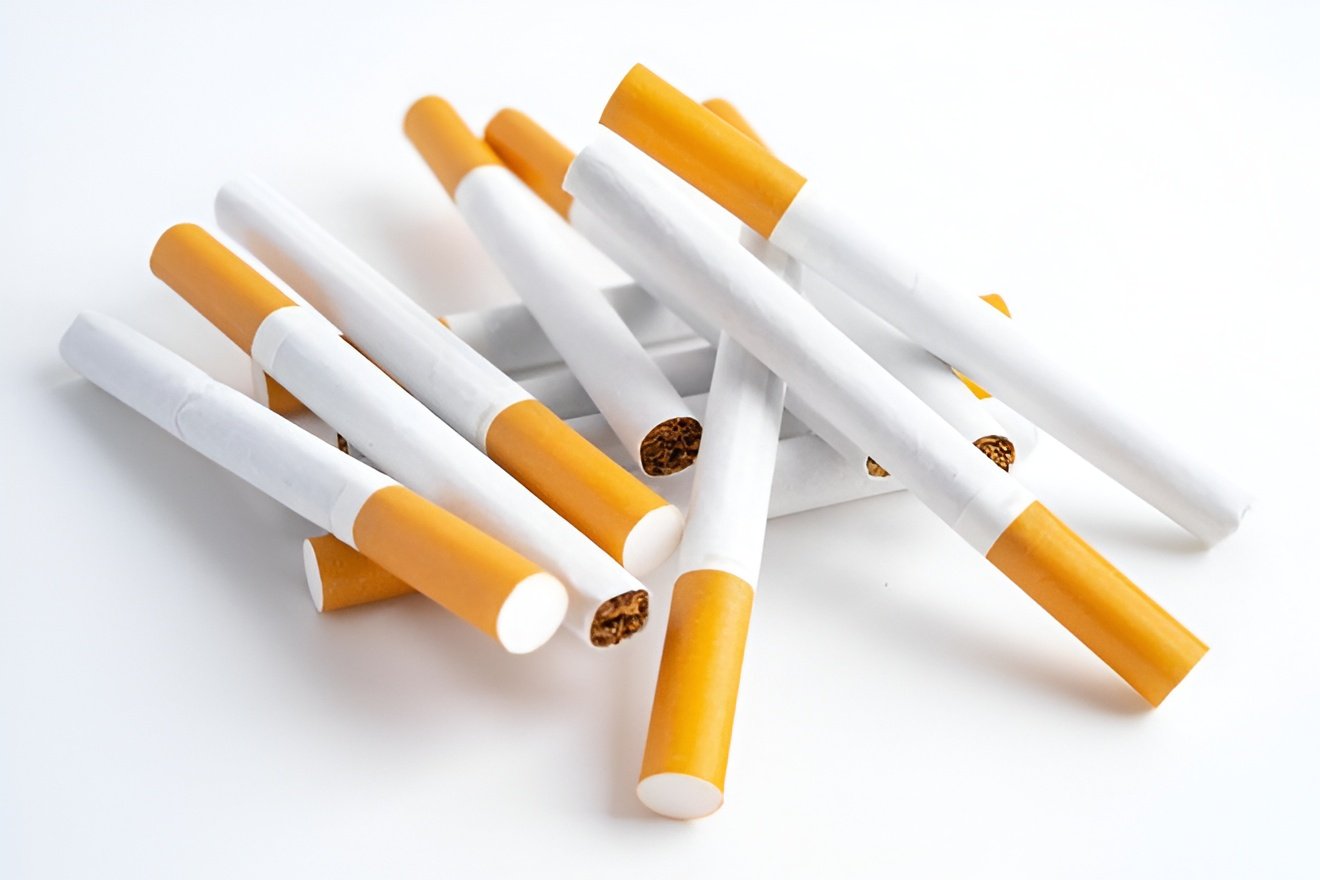
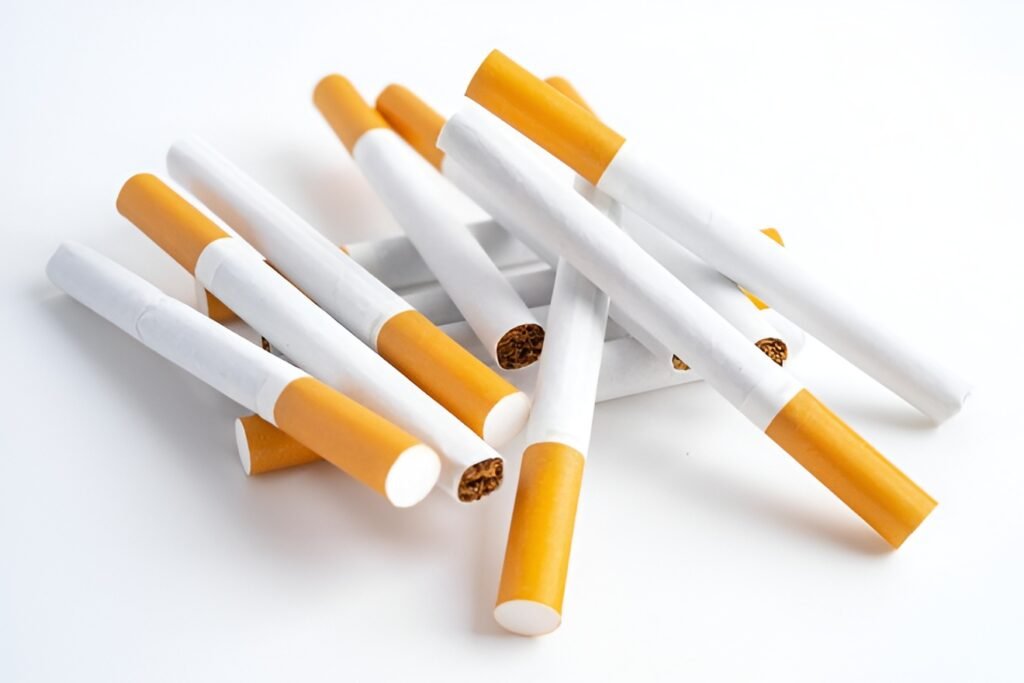
Quality control in tobacco manufacturing protects product consistency and compliance. It covers every stage from incoming leaf to finished goods through layered checks.
Industrial inspection, material testing, and production documentation form the core system. These processes help tobacco manufacturers meet regulatory and brand requirements.
Incoming Material Inspection
Raw tobacco leaf receives thorough visual and physical grading on arrival. Inspectors check color, size, texture, damage, and foreign matter before acceptance.
Non-tobacco materials such as paper, filters, and adhesives also undergo inspection. Hardness, dimensions, and specification compliance are verified against purchase standards.
Certificates of conformity and supplier data support the initial review. Only approved batches move forward into storage or processing.
Moisture Content Testing
Moisture strongly affects processing, storage, and smoking quality. Target levels vary by stage, typically 11–14 percent for cut filler.
Oven-drying methods serve as the reference standard. Samples lose weight under controlled heat to calculate precise moisture percentage.
Handheld or online moisture meters provide rapid floor readings. Near-infrared sensors enable continuous monitoring during conditioning and drying.
Chemical and Composition Analysis
Laboratories test nicotine, sugars, and other key constituents. Near-infrared spectroscopy offers fast, non-destructive screening of large volumes.
Full wet chemistry methods confirm critical values when needed. Results support blend consistency and regulatory reporting for tobacco manufacturers.
Foreign matter detection uses metal detectors, X-ray, and optical sorters. These systems remove contaminants that visual checks might miss.
In-Process and Finished Product Inspection
During primary processing, operators monitor cut width, blend uniformity, and moisture. Statistical process control tracks trends against tolerance bands.
On cigarette makers, automated systems inspect every stick. Parameters include weight, circumference, length, draw resistance, and filter alignment.
End quality, seam integrity, and ventilation receive continuous checks. Defective units are rejected automatically before packing.
Production Documentation Requirements
Every batch generates a production record. It documents materials used, process parameters, test results, and operator approvals.
Master manufacturing records define product specifications and process controls. These documents guide consistent tobacco manufacturing operations.
Records must remain traceable and retained for required periods. Digital MES or SCADA systems often capture and store the data.
Key Quality Control Activities
- Visual grading of incoming leaf and materials for defects.
- Moisture testing with oven and rapid meter methods.
- Chemical analysis of nicotine and other constituents.
- Automated physical checks on finished cigarettes.
- Foreign matter detection using multiple technologies.
- Complete batch documentation and release approval.
| Stage | Main Checks | Methods / Equipment | Purpose |
|---|---|---|---|
| Incoming Materials | Appearance, moisture, contaminants | Visual grading, meters, detectors | Prevent defective input |
| Primary Processing | Moisture, cut size, blend uniformity | Online sensors, lab sampling | Maintain process stability |
| Cigarette Making | Weight, diameter, draw, filter | Automated inspection systems | Ensure physical consistency |
| Chemical Testing | Nicotine, sugars, additives | Lab analysis, NIRS | Meet composition targets |
| Final Release | Full compliance & documentation | Batch records, approvals | Traceability and release |
Benefits of Strong Quality Systems
Effective quality control reduces waste and customer complaints. It supports compliance with industry standards such as CORESTA methods.
Consistent documentation aids audits and continuous improvement. Tobacco manufacturing facilities gain better process control and product reliability.
Final Overview
Quality control in tobacco manufacturing combines industrial inspection, material testing, and rigorous production documentation. These elements work together across the entire process.