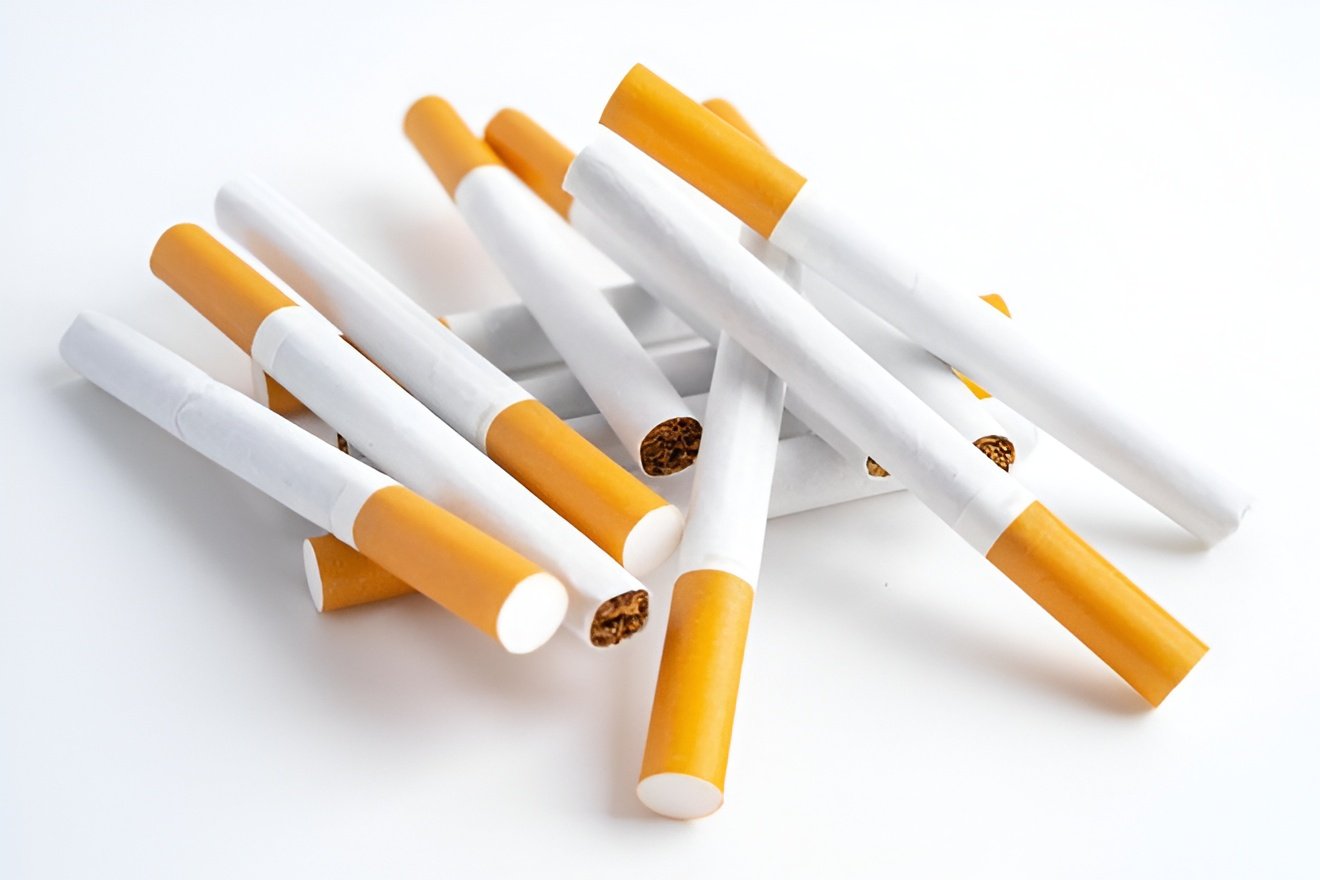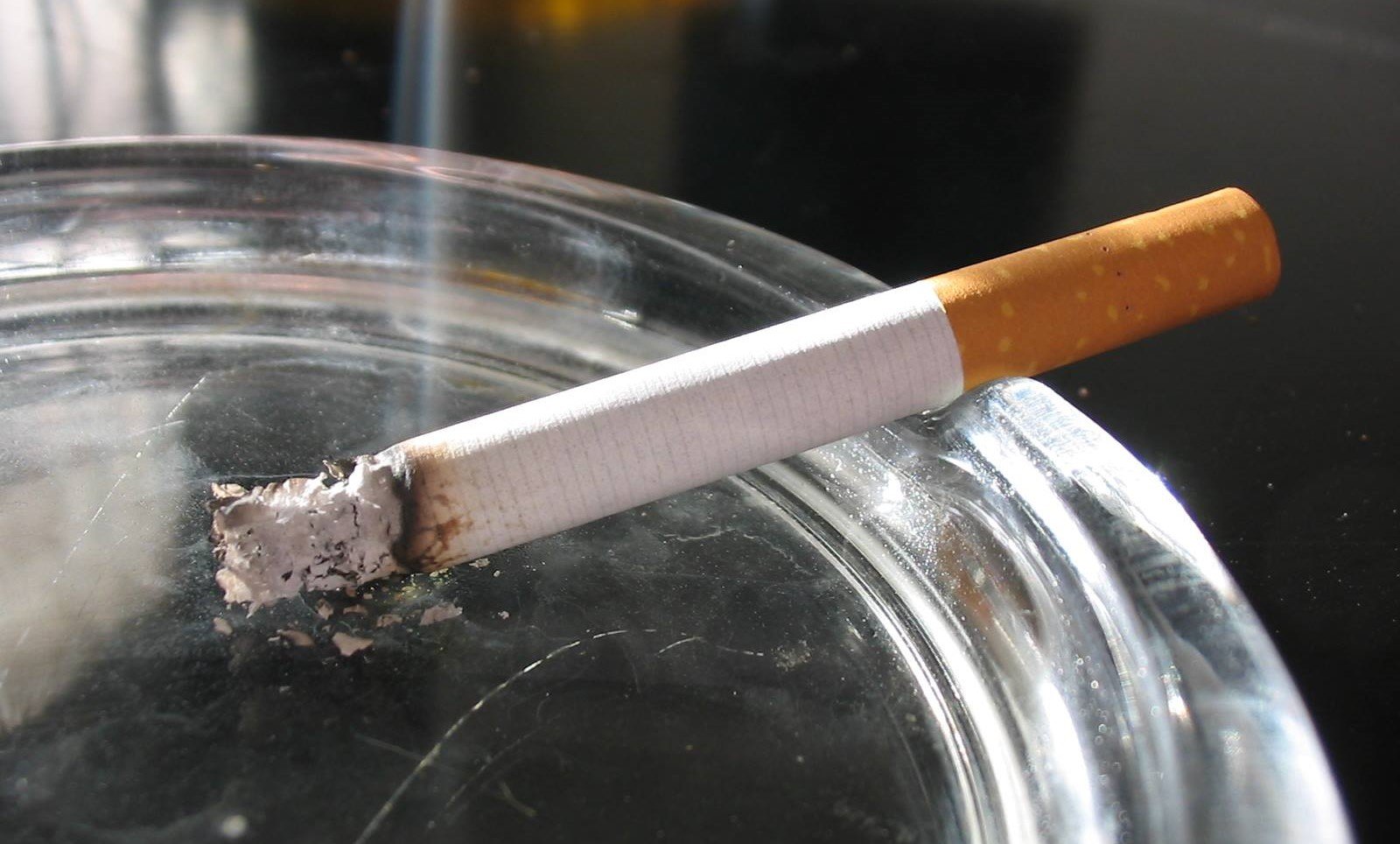

Cigarette waste ranks among the most widespread forms of litter worldwide. Billions of discarded butts enter the environment every year.
These small items create large-scale pollution problems. Therefore, cigarette butts and the environment remain a major focus for researchers and policymakers.
The impact extends beyond visual litter. As a result, cigarettes and the environment face ongoing challenges from toxins, microplastics and long-term contamination.
Cigarette Butts as Global Litter
Cigarette butts form the most common type of litter on streets, beaches and waterways. Smokers discard an estimated 4.5 trillion butts annually.
Each butt contains a filter made mainly of cellulose acetate. This material resists natural breakdown for years.
Cigarette litter and the environment suffer because the filters persist and spread easily through wind and water. Consequently, they appear in almost every urban and natural setting.
Filter Waste and Microplastic Pollution
Cigarette filters release cellulose acetate microfibers as they degrade. These microplastics enter soil and aquatic systems.
Studies show that each butt can shed dozens of microfibers daily under environmental stress. The particles then travel through food chains.
Cigarette debris contaminates resources and threatens biodiversity. In addition, the slow breakdown of filters prolongs the pollution cycle.
Toxic Chemicals Leached from Butts
Used cigarette butts contain residual nicotine, heavy metals, polycyclic aromatic hydrocarbons and other toxins. Rainwater and moisture leach these substances into soil and water.
The leachate harms aquatic life, plants and soil organisms. Nicotine alone proves highly toxic to many species even at low concentrations.
Cigarette butts and environment interactions therefore include both physical litter and chemical pollution. This dual threat increases the overall environmental burden.
Effects on Ecosystems and Wildlife
Animals often mistake butts for food or nesting material. Ingestion can cause injury or introduce toxins into their systems.
Water bodies near high-litter areas show elevated levels of contaminants. Cigarette smoke and the environment also connect through residual airborne particles that settle onto surfaces.
Overall, the effects of smoking cigarettes on the body and environment link human health risks with broader ecological damage. Clean-up efforts struggle to keep pace with the volume of waste.
Comparison of Environmental Impacts
| Source of Impact | Main Pollutant | Primary Concern | Persistence Level |
|---|---|---|---|
| Cigarette butts | Cellulose acetate fibers | Microplastic pollution | Years to decades |
| Leachate from filters | Nicotine, heavy metals, PAHs | Water and soil toxicity | Immediate to long-term |
| Residual tobacco residue | Tar and combustion chemicals | Contaminated resources | Moderate to high |
| E-cigarette waste | Batteries, plastics, liquids | Additional electronic waste stream | Variable |
Electronic Cigarettes and Related Waste
E-cigarettes and the environment introduce new forms of waste. Disposable devices contain plastics, metals and residual liquids.
E-cigarette and environment concerns include battery disposal and chemical leakage. Although different from traditional butts, they add to the overall tobacco-related pollution load.
Proper collection and recycling remain limited in many regions. Therefore, both conventional and electronic products contribute to the problem.
Key Points Summary
- Cigarette butts are the most common form of litter worldwide
- Filters release microplastics and toxic leachate into the environment
- Nicotine and heavy metals harm aquatic life and soil systems
- Cigarette litter damages ecosystems and contaminates resources
- Both traditional and electronic cigarettes create environmental waste
Conclusion of Cigarette waste and the environment
Cigarette waste and the environment face a persistent challenge from discarded butts and filter materials. The combination of microplastics, chemical leaching and widespread litter creates lasting harm.