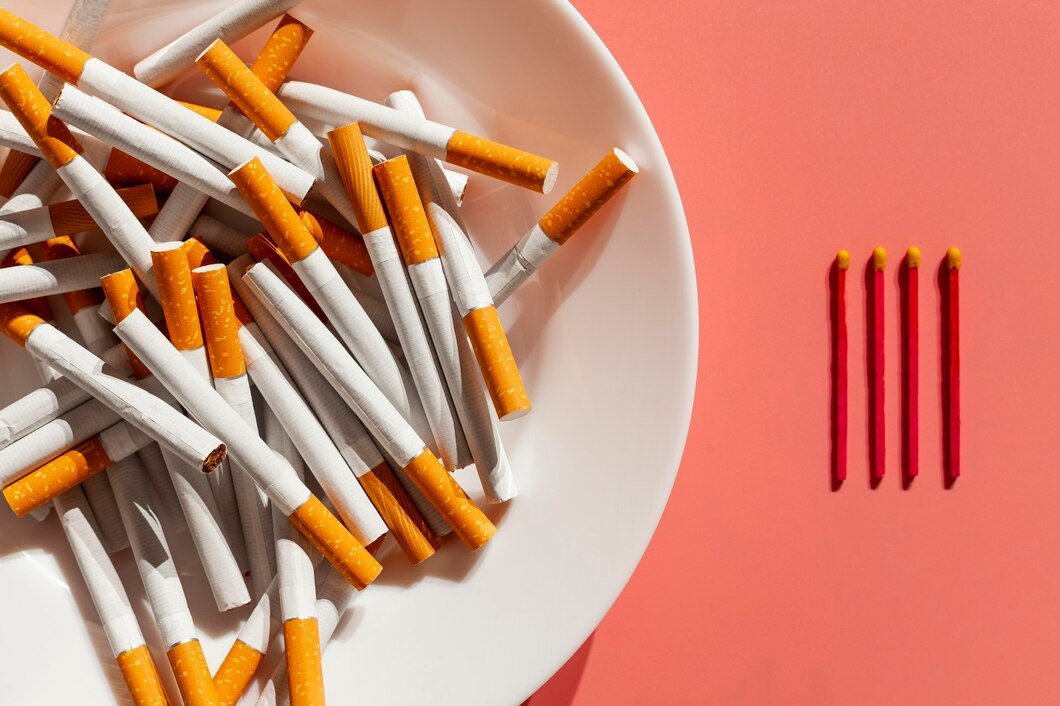

Cigarette manufacturing is a highly automated industrial process. Factories convert cured tobacco into finished packs through precise, high-speed stages.
The full sequence runs from primary tobacco processing to secondary making and packaging. Therefore, every step maintains strict control over moisture, weight and consistency.
Modern lines can produce thousands of manufactured cigarettes per minute. As a result, cigarette manufacturers rely on specialised equipment throughout the factory.
Primary Tobacco Processing Stage
Primary processing prepares the tobacco for making. Operators condition the cured leaf to restore flexibility and correct moisture.
Threshing separates the valuable lamina from the stem. Next, cutting machines create uniform shreds of the required width.
Blending mixes different tobacco grades according to the brand recipe. In addition, casing and flavouring agents are applied at this stage.
Final Conditioning of Cut Filler
After blending, the tobacco reaches the target moisture level. Drying cylinders and cooling systems stabilise the cut filler.
The prepared material, known as cigarette rag, feeds continuously into the making machines. This step ensures smooth running and even rod density.
Waste and dust often return for reconstituted sheet production. Consequently, factories maximise material efficiency.
Filter Rod Production
Filter manufacturing runs in parallel with tobacco processing. Cellulose acetate tow is opened, plasticised and formed into continuous filter rods.
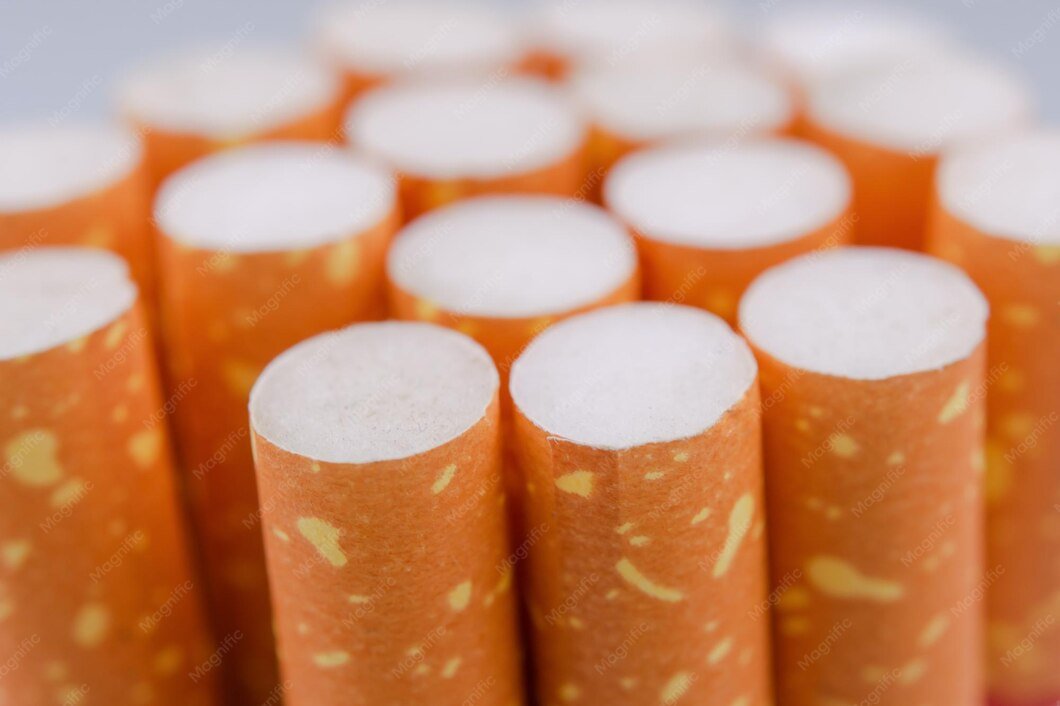
Machines wrap the tow in plug wrap paper and cut the rods to length. Some lines also produce multi-segment or charcoal-containing filters.
Biodegradable cigarette filters manufacturing process existing machinery is under development in several plants. However, cellulose acetate remains the dominant material today.
Cigarette Rod Making and Assembly
Cigarette making machines form the continuous tobacco rod. They place cut filler onto a moving belt of cigarette paper and seal the side seam with adhesive.
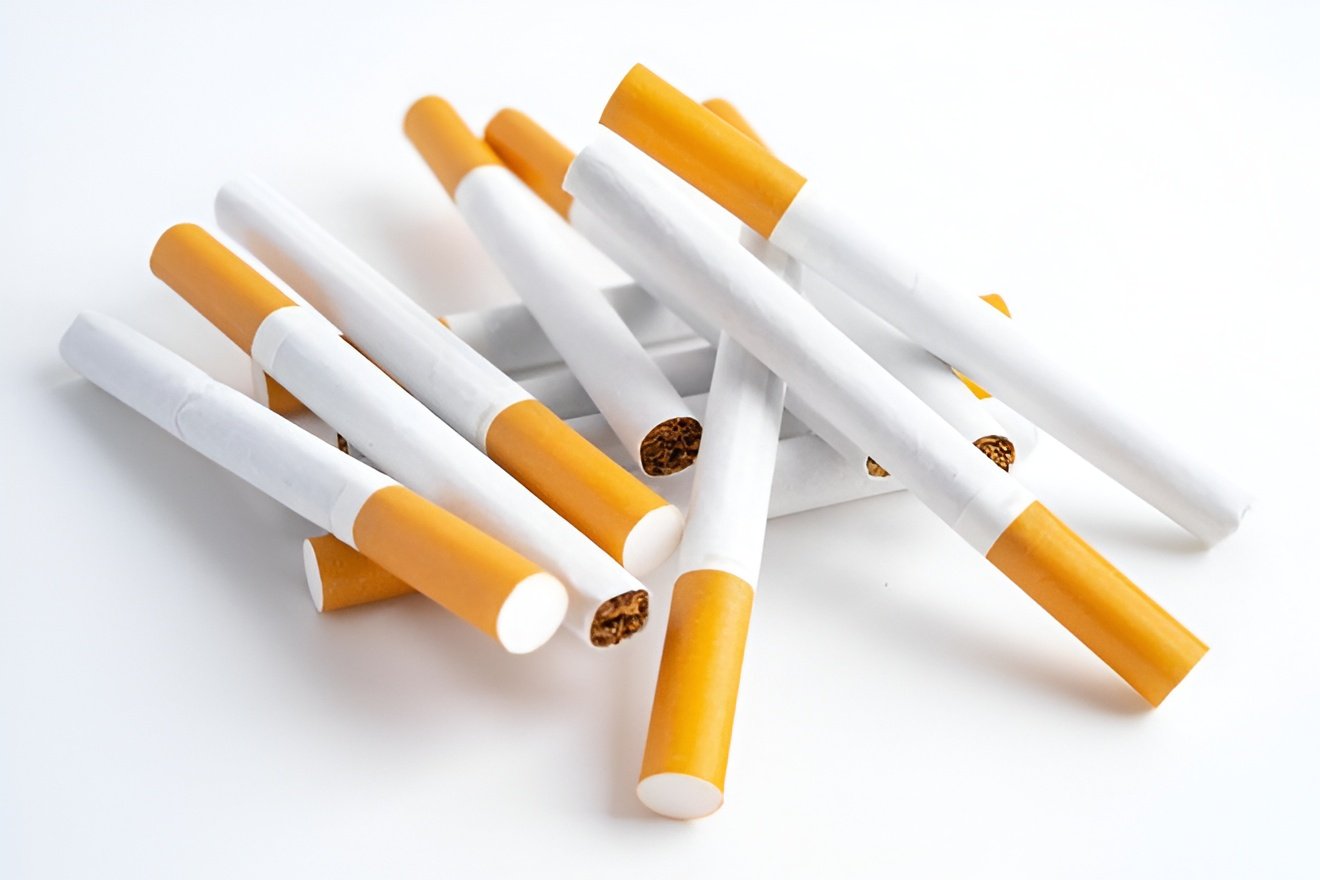
The long rod is cut into individual lengths. Filters are then attached using tipping paper in a high-speed combining process.
Quality checks monitor weight, circumference and draw resistance. Defective units are rejected and the tobacco is recycled.
Packaging and Final Handling
Finished cigarettes move to packing machines. These units group the correct number into soft packs or hard boxes.
Foil lining and outer film protect freshness and aroma. Tax stamps and coding systems are applied according to local regulations.
Packs are collated into cartons and master cases for distribution. The complete line ends at the warehouse ready for shipment.
Overview of Main Production Stages
| Stage | Main Activity | Key Equipment | Output |
|---|---|---|---|
| Primary processing | Conditioning, threshing, cutting, blending | Conditioners, threshers, cutters | Prepared cut filler |
| Filter production | Tow opening and rod forming | Filter makers | Filter rods |
| Rod making & assembly | Paper wrapping, filter attachment | Cigarette makers, combiners | Finished cigarettes |
| Packaging | Packing, wrapping, cartoning | Packers, overwrappers | Retail packs and cases |
Machinery and Industry Context
Cigarette manufacturing equipment includes makers, filter machines and packers. Companies that buy cigarette manufacturing machine parts keep these lines running at high efficiency.
Global cigarette manufacturers operate large-scale facilities. Databases of the largest manufacturers in the cigarettes industry track capacity and technology trends for 2026 and beyond.
Indian cigarette manufacturer operations follow the same core process with local regulatory adaptations. Cigarette tubes tobacco manufacturers also supply components for hand-rolling markets.
Key Points Summary
- How cigarettes are manufactured begins with primary tobacco processing
- Cut filler is blended, conditioned and fed to high-speed makers
- Filters are produced separately and attached during assembly
- Packaging completes the process with packs, film and cartons
- Modern cigarette manufacturing relies on continuous automated equipment
Conclusion
The manufacture of cigarettes follows a clear sequence from tobacco processing to final packaging. Each stage uses specialised machinery to deliver uniform manufactured cigarettes at high volume.