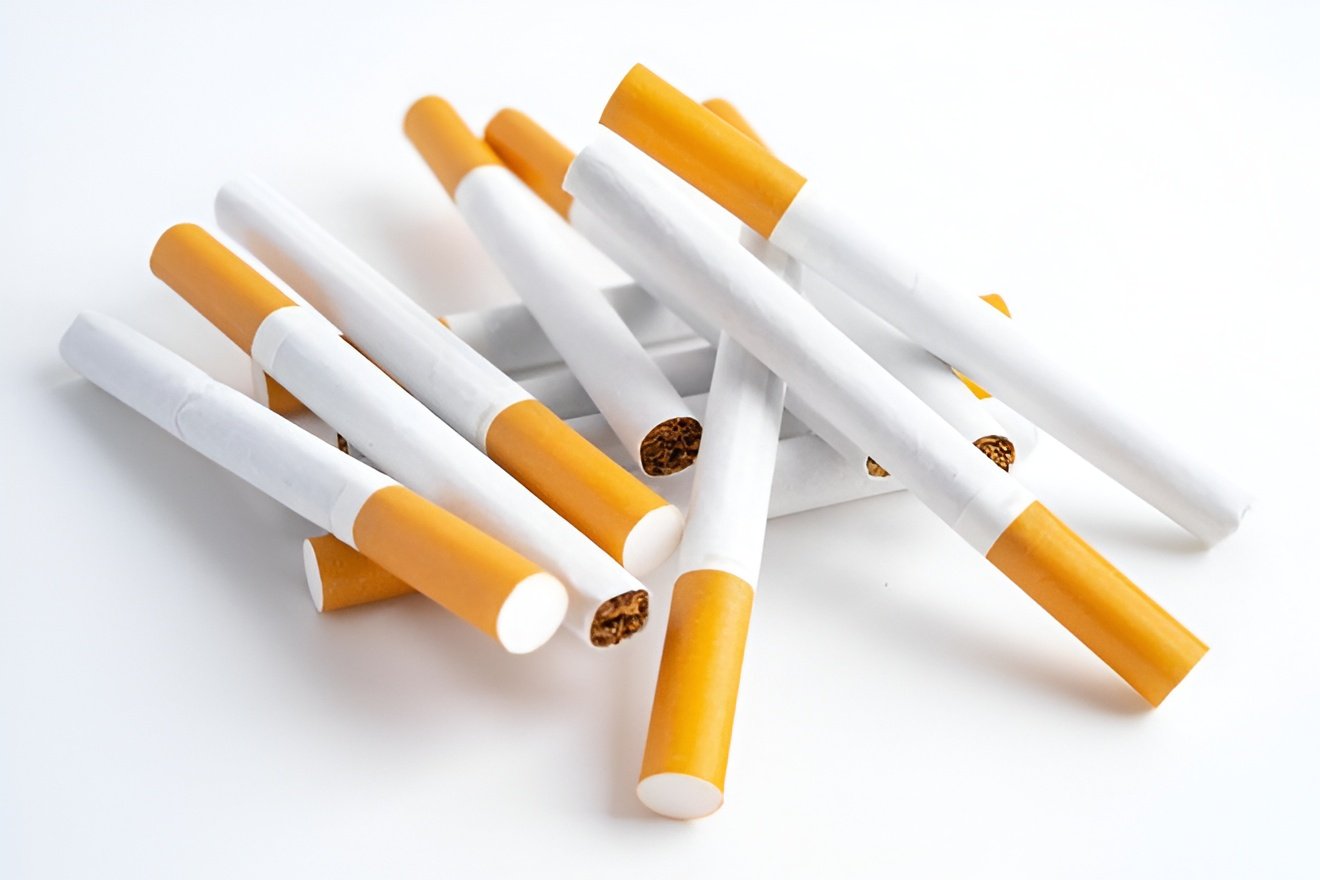

Cigarette paper is a specialized thin paper used to wrap tobacco or other smoking materials. It controls burn rate, airflow, and ash formation while remaining lightweight and strong.
This paper plays a key role in both factory-made cigarettes and roll-your-own products. Its design directly affects flavor, draw, and overall smoking experience for users worldwide.
Brief History of Cigarette Paper
Cigarette paper production began in Alcoy, Spain, around 1764 to 1770. Local mills created thin, porous sheets specifically for rolling tobacco.
Paper cigarettes gained popularity in the second half of the 19th century. They offered a cheaper alternative to cigars and cigarillos across Europe and beyond.
Early papers used rag fibers from linen and hemp. Spanish soldiers and traders helped spread the habit and the specialized paper technology.
Composition of Cigarette Paper
Cigarette paper consists mainly of plant fibers, mineral fillers, and small amounts of chemical additives. Fibers form the structural network that holds everything together.
Typical composition includes 60–70% pulp fibers, 30–40% fillers, and 1–5% functional additives. Calcium carbonate is the most common filler used.
Fibers come from flax, hemp, rice straw, wood pulp, or esparto. These non-wood or mixed sources create the desired thinness and strength.
Fillers improve opacity, ash color, and permeability. Magnesium carbonate or titanium oxide may appear in some formulations for brighter ash.
Burn regulators such as sodium or potassium citrate control combustion speed. Higher levels make the paper burn faster when needed.
A thin strip of glue, often polyvinyl alcohol solution, runs along one edge. This allows easy sealing after rolling the tobacco.
Basis weight usually ranges from 10 to 28 grams per square meter. Lower weights produce thinner, more transparent papers preferred by many smokers.
Main Types of Cigarette Paper
Different fiber sources create distinct smoking characteristics. Choice depends on preferred burn speed, taste contribution, and ease of handling.
- Wood pulp paper – Most common and affordable. Offers consistent performance and slightly faster burn with mild paper taste.
- Hemp paper – Strong, eco-friendly option. Provides slow even burn and light natural flavor with good rolling grip.
- Flax (linen) paper – Traditional high-quality choice. Delivers fine texture, strength, and minimal interference with tobacco taste.
- Rice paper – Ultra-thin and slow-burning. Produces clean flavor with very little ash but can feel delicate when rolling.
| Material | Typical GSM | Burn Speed | Taste Contribution | Ease of Rolling | Sustainability |
|---|---|---|---|---|---|
| Wood Pulp | 17–28 | Medium-Fast | Noticeable | Easy | Mixed |
| Hemp | 12–18 | Slow | Mild earthy | Easy | Excellent |
| Flax | 10–15 | Medium-Slow | Minimal | Moderate | Very Good |
| Rice | 10–14 | Slowest | Nearly neutral | More difficult | Good |
Manufacturing Process Overview
Manufacturers pulp selected plant fibers then refine them to achieve the correct fiber length and bonding strength. Fillers and additives mix into the slurry at this stage.
The slurry forms a continuous thin web on specialized paper machines. Precise control of porosity and weight happens during drying and finishing.
Finished paper receives the adhesive strip and cuts into sheets or continuous rolls. Machine-made cigarettes use large bobbins while consumers buy small booklets.
Quality checks measure permeability in CORESTA units, burn rate, tensile strength, and ash appearance. These ensure consistent performance across batches.
Key Properties and Burn Control
Porosity determines how much air dilutes the smoke. Higher permeability cools the burn and reduces tar delivery in many designs.
Burn rate must match the tobacco to prevent canoeing or self-extinguishing. Additives and fiber choice fine-tune this balance carefully.
Ash should form a firm, light-colored structure. Calcium carbonate helps create stable white or light grey ash that holds together.
Low-ignition-propensity papers include special bands that reduce porosity in places. These help cigarettes extinguish when left unattended, improving fire safety.
Common Uses and Formats
Factory production relies on continuous cigarette paper bobbins for high-speed machines. These papers meet strict industrial specifications for consistency.
Roll-your-own smokers use pre-cut sheets in booklets. Popular sizes include single wide, 1¼, king size, and king slim for different preferences.
Some papers come flavored, colored, or transparent. Clear cellulose versions allow users to see the contents while offering different burn characteristics.
How to Choose Suitable Cigarette Paper
Select based on your priorities for flavor purity, burn duration, and rolling skill level. Thinner papers generally interfere less with taste.
Beginners often prefer slightly thicker or textured papers such as hemp for easier handling. Experienced rollers may choose ultra-thin rice or flax options.
Consider unbleached natural papers if you want fewer processing chemicals. Always check for even burn and clean ash in the brand you select.
Store papers in a dry place to protect the adhesive strip. Humidity can weaken the glue and make sealing difficult over time.
Final Thoughts
Cigarette paper remains a highly engineered product despite its simple appearance. Careful selection of fibers, fillers, and additives creates reliable performance.
Understanding its composition and types helps smokers make informed choices. Whether for industrial production or personal rolling, quality paper improves the overall experience.